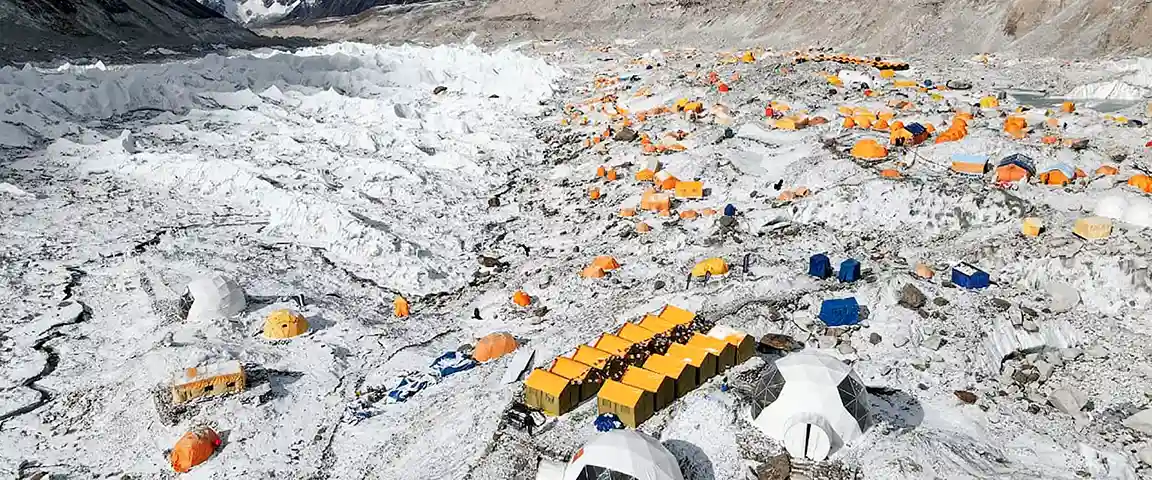
Everest Base Camp Trek in October: Weather, Tips & Complete Guide
published on: 18th Mar, 2026
“Mild October Weather Enhances Enjoyment of Everest Base Camp Trek”
What are the Downsides of Trekking in October?


published on: 18th Mar, 2026
“Mild October Weather Enhances Enjoyment of Everest Base Camp Trek”
What are the Downsides of Trekking in October?
The weather in October is just right for Everest Base Camp trekking. It’s not too hot during the day, and the nights are cool but comfortable. This means you can enjoy your Everest Base Camp trek without worrying too much about extreme temperatures. Plus, the views are incredible, with clear skies offering uninterrupted vistas of the Himalayas.
Our Experience: I have already done 4 different treks – Kala Patthar + Cho La Pass + Gokyo; Everest Base Camp + climbing Island Peak; Annapurna Base Camp; and Langtang. I always choose October. Its mild weather and clear skies provide the perfect backdrop for an unforgettable trekking experience. You can also find various other trekking packages offered by Master Himalaya Treks and Expedition here.
For those interested in cultural experiences, October offers the opportunity to witness traditional festivals like Dashain and Tihar. These vibrant celebrations are a window into the rich heritage of Nepal and add an extra layer of excitement to your Everest Base Camp trek.
October falls right after the monsoon season, bringing clear skies, low humidity, and stable conditions across the Everest region. Rainfall is minimal, so the trails are dry, safe, and easy to navigate. Daytime temperatures at lower altitudes range from 10°C to 16°C, making it comfortable for trekking. However, temperatures drop significantly at higher altitudes, especially at night.
| Location | Altitude | Day Temp (°C) | Night Temp (°C) |
|---|---|---|---|
| Lukla | 2,860m | 12–16°C | 2°C to 5°C |
| Namche Bazaar | 3,440m | 10–15°C | 0°C to 3°C |
| Tengboche | 3,867m | 8–12°C | -2°C to 2°C |
| Dingboche | 4,410m | 5–10°C | -5°C to 0°C |
| Gorak Shep | 5,164m | 2°C to 6°C | -10°C to -5°C |
| Everest Base Camp | 5,364m | 0°C to 5°C | -12°C to -7°C |
Although October weather is generally favorable, conditions in the mountains can change quickly. It is advisable to pack layered clothing and a sleeping bag rated to at least -10°C for the higher-altitude camps.
The Everest Base Camp trek typically begins in Lukla, a small town with a notorious airstrip that requires a short and thrilling flight. From Lukla, trekkers traverse a diverse range of landscapes, from lush green forests and meadows to barren, rocky terrain as they ascend towards the base camp.
The journey is usually spread over 12–16 days, allowing for acclimatization to the high altitude. Popular stops along the way include Namche Bazaar, Tengboche, Dingboche, and Gorak Shep, each offering unique cultural experiences and stunning views.
Along the route, trekkers stay in tea houses and lodges that range from basic to comfortable. You can learn more about the types of accommodation available during the EBC trek to help you plan your stay.
To avoid these issues, it is recommended to book your accommodation and Lukla flights well in advance, ideally 3–6 months before your trek date. Trekking with a trusted trekking agency in Nepal can help secure pre-booked lodges along the route.
The Everest Base Camp Trek isn’t a short hike; it takes around two weeks on average. Trekkers walk for more than 6 hours every day, which is quite physically demanding. It uses up a lot of energy, so trekkers need to be physically fit to handle the challenges during the trek.
Everest Base Camp is in a remote part of Nepal called the Solukhumbu District, and the trails are pretty isolated. The paths can be rough, with landslides, ups and downs, and rocky areas. This can be tiring for the body, especially after more than 6 hours of hiking. Most of the trails go uphill, and the high altitude makes walking harder. It’s important to be ready for the physical challenges and remote conditions of the trek.
This is why trekking with an experienced peak climbing agency in Nepal matters. The team at Master Himalaya Treks and Expedition provides experienced guides and porters who know the terrain, manage logistics, and ensure your safety throughout the remote sections of the trail.
Packing the right gear is essential for a comfortable and safe Everest Base Camp trek in October. While daytime temperatures are mild, the nights at higher altitudes get extremely cold. Here are the essentials:
Since October is a dry month, heavy rain gear is usually not necessary. However, carrying a lightweight rain jacket is always a good idea, as mountain weather can be unpredictable.
Master Himalaya Treks and Expedition Pvt. Ltd. offers a fully customizable Everest Base Camp trek package designed for October. As a trusted peak climbing agency and trekking agency in Nepal, we tailor every itinerary to your preferences. Simply share your available days, and we’ll craft the perfect experience for you — whether you have 7 days or 20 days.
Yes, October is widely considered the best month for the EBC trek. The monsoon season has ended, leaving behind clear skies, stable weather, and excellent mountain visibility. Daytime temperatures are mild and comfortable for trekking.
At Everest Base Camp (5,364m), daytime temperatures in October range from 0°C to 5°C, while nighttime temperatures can drop to -7°C to -12°C. At lower altitudes like Namche Bazaar, daytime temperatures are a pleasant 10°C–15°C.
The classic Everest Base Camp trek takes 12–16 days round-trip from Lukla, including acclimatisation days at Namche Bazaar and Dingboche.
While the trail is well-marked, trekking with a licensed guide is highly recommended for safety, navigation, and logistics — especially during the busy October season when accommodation needs to be pre-booked. A reliable trekking agency like Master Himalaya Treks and Expedition provides licensed guides, porters, and complete trek management.
You will need a Khumbu Trek Card (NPR 2,000) and a Sagarmatha National Park Entry Permit (NPR 3,000 for foreign nationals). These can be arranged through your trekking agency.
We offer different tour types. You can also chat with a local travel specialist if you want a customized tour to Nepal.
Our travel experts are recommended by




14
Days
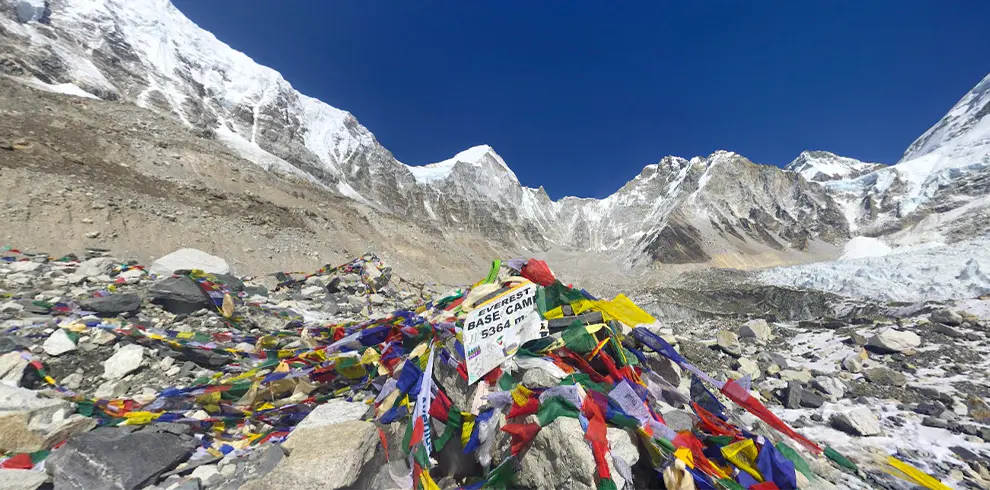
Everest Base Camp is a world-renowned trekking destination located in the Khumbu region of Nepal. Situated at an altitude of 5,364 meters (17,598 feet), the base camp provides stunning views of the world's highest peak, Mount Everest (8,848 meters /...
Start Journey

19
Days
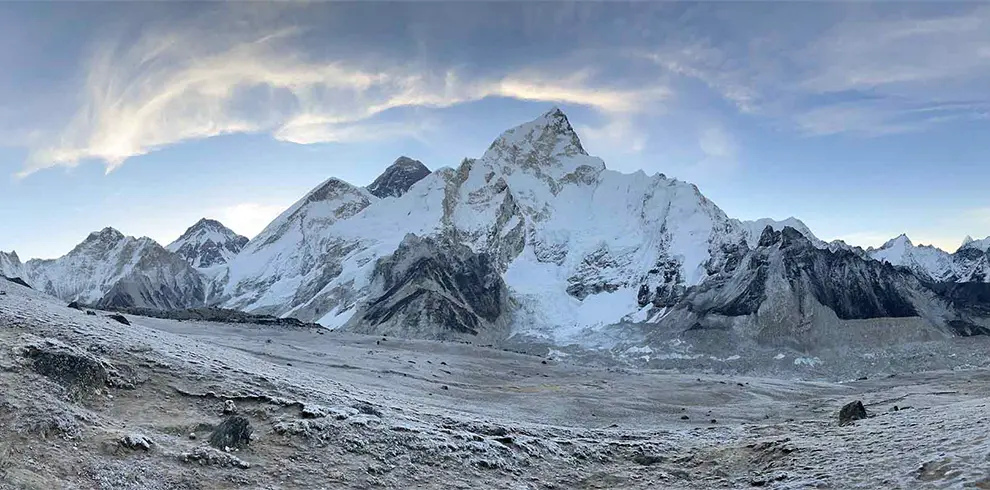
The Everest Three High Pass Trek is an ultimate adventure for experienced trekkers seeking a thrilling and challenging expedition in the Everest region of Nepal. This trek takes you on an epic journey across three high mountain passes: Kongma La Pass...
Start Journey
14
Days
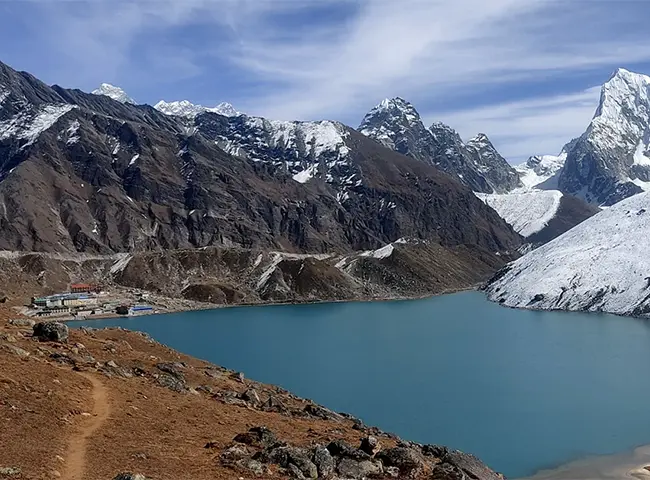
The Gokyo Lake and Renjo La Pass Trek is an extraordinary journey that combines the mesmerizing beauty of the Gokyo Valley's turquoise lakes with the exhilarating challenge of crossing the Renjo La Pass in the Everest region of Nepal. This trek offer...
Start Journey