• Overview
  • Itinerary
  • Best Time
  • Costing
  • Equipments
  • Map
  • FAQ
  • Trip Photos
  • Departure
  • Reviews
Island Peak Climbing

Island Peak Climbing

Duration

18 days

Group size

2-10

Activities

All Expedition & Peak Climbing

Country

Nepal

Region

Everest Region

Destination

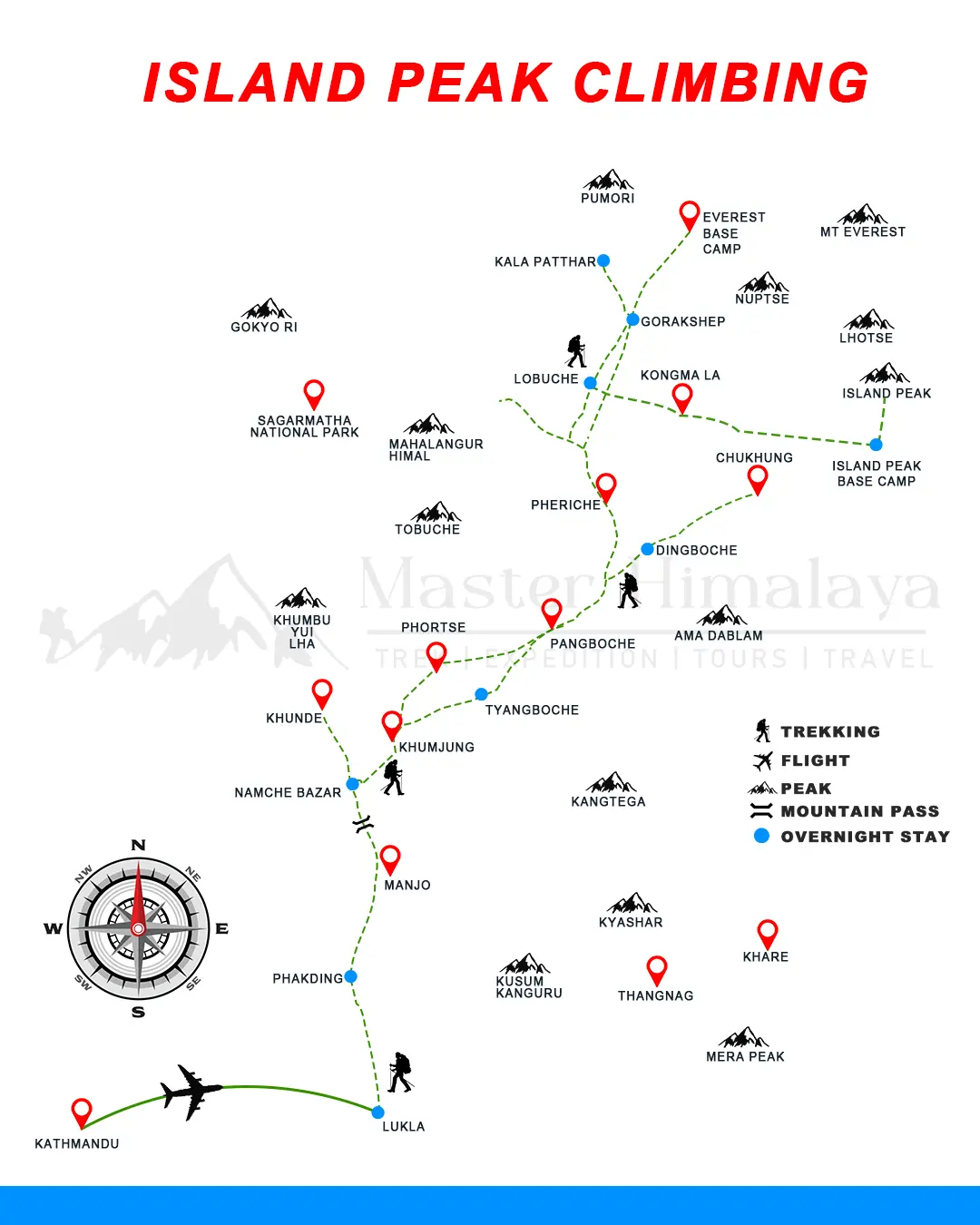
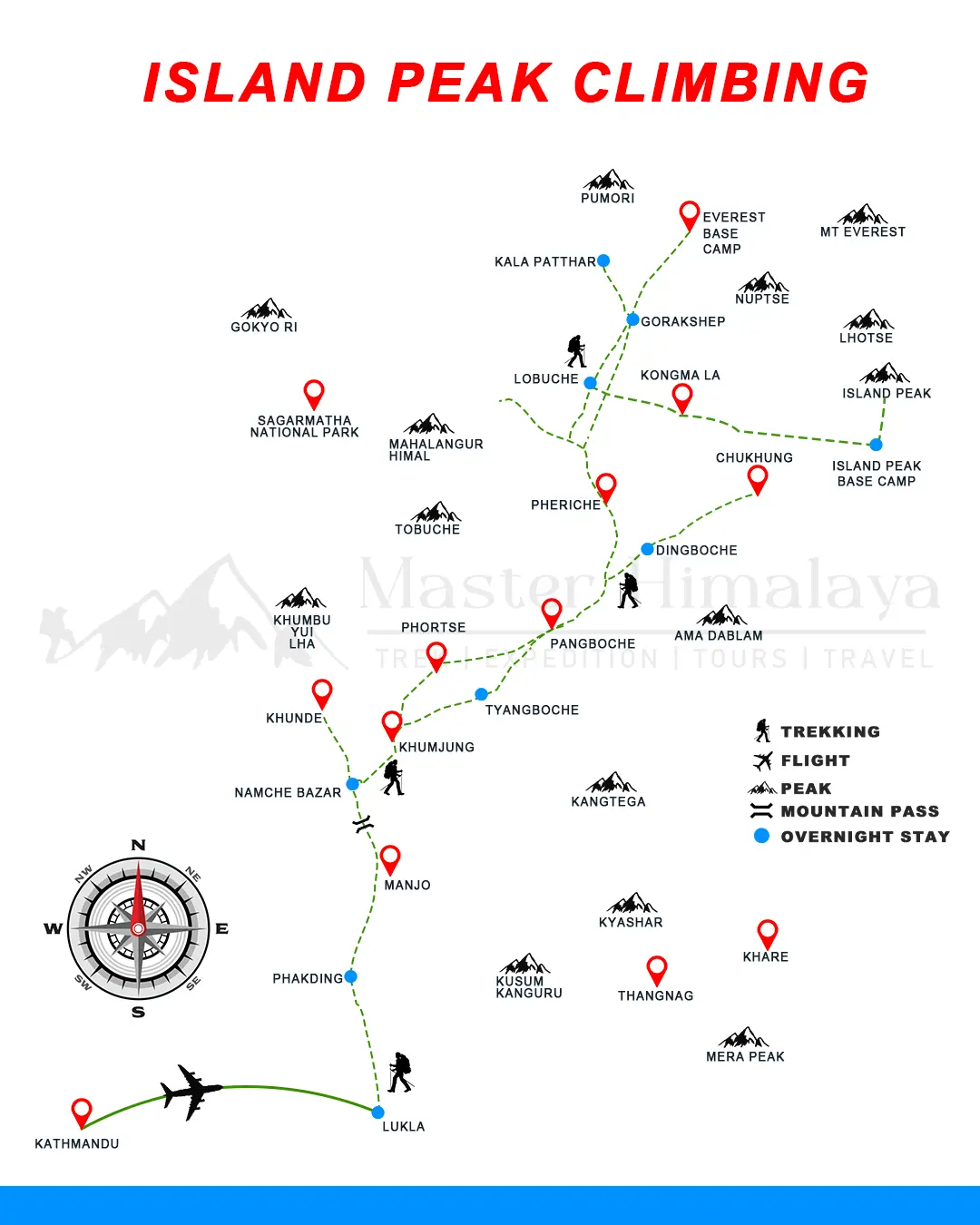
Lukla, Namche, Phakding, Tengboche,Dingboche, Lobuche Gorakshep, Kongma la pass, Island Peak
Start/End point

Start/End point

kathmandu
Max Altitude

Max Altitude

6189 m
Meals

Meals

included
Activity

Activity

5-6 hrs.

About Island Peak Climbing

star

Island Peak Climbing Highlights

  • Island Peak climbing offers an exhilarating mountaineering adventure, providing the opportunity to summit a peak in the Everest region with Master Himalaya Treks and Expedition Pvt. Ltd., a licensed trekking agency and peak climbing agency in Nepal.
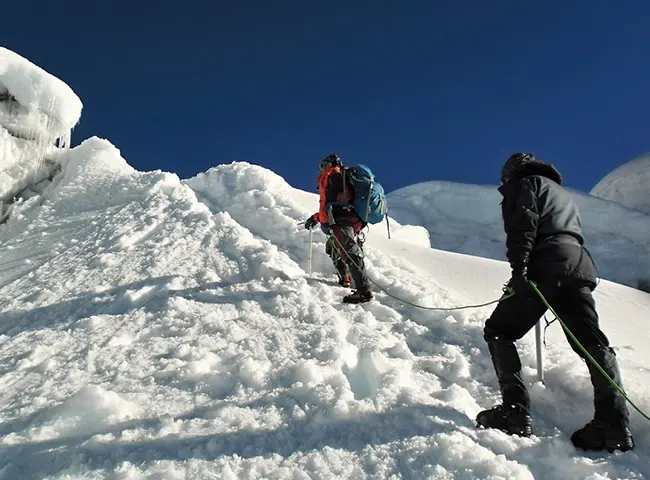
  • Gaining technical skills and experience as you navigate steep slopes, icy glaciers, and challenging rock formations, pushing your limits and embracing the thrill of the climb on this Island Peak expedition.
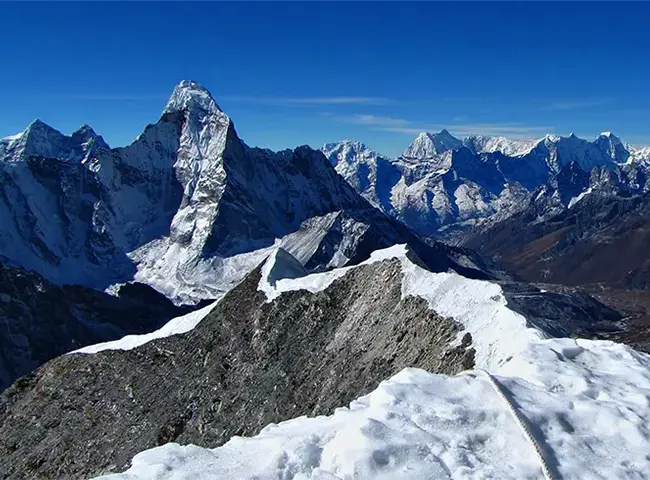
  • Enjoy stunning panoramic views of the Himalayan giants, including Mount Everest, Lhotse, Nuptse, and Makalu, from the summit of Island Peak.
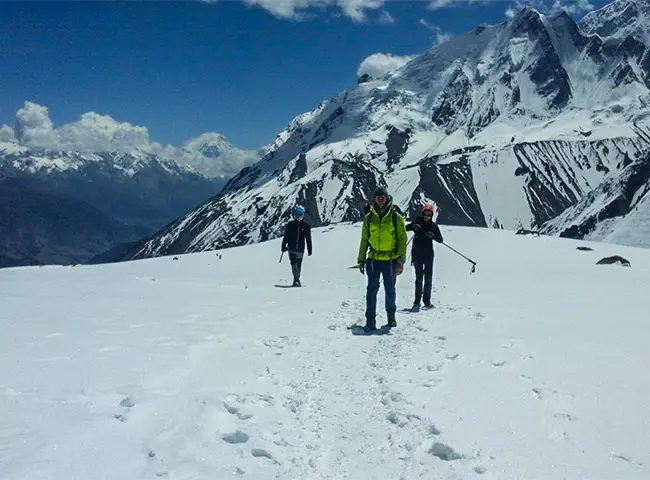
  • Immersing yourself in the pristine and awe-inspiring landscapes of the Khumbu Valley, with its dramatic valleys, glacial lakes, and rugged mountain terrain.
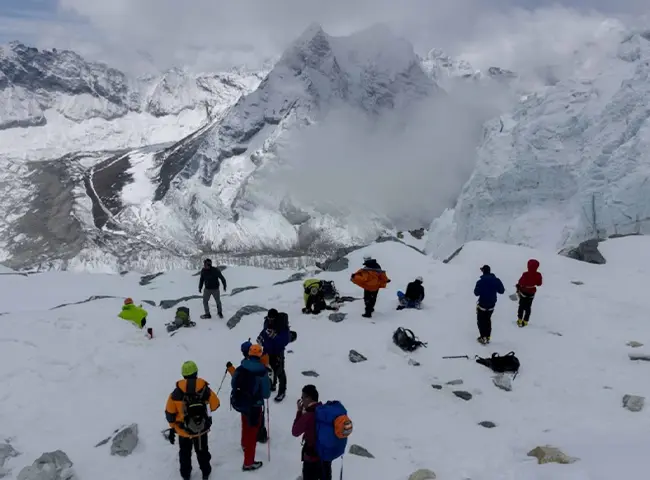
  • Camping at Island Peak Base Camp, surrounded by towering peaks and a serene mountain atmosphere, provides a peaceful and unforgettable experience.
  • Working closely with experienced climbing Sherpas, who guide and support you throughout the expedition, ensuring safety and enhancing your chances of a successful summit on your Island Peak climbing journey.
  • Overcoming the physical and mental challenges of high-altitude mountaineering, building resilience and personal growth as you push yourself beyond your comfort zone.
  • Experiencing the unique blend of Sherpa culture and mountain traditions, as you interact with local communities and witness their way of life in the Everest region.
  • The thrill and excitement of reaching the summit of Island Peak, standing at an impressive height of 6,189 meters, the height of Island Peak, and reveling in the sense of accomplishment and awe-inspiring views.
  • Creating lifelong memories and bonds with fellow climbers, sharing the challenges, triumphs, and unforgettable moments of conquering Island Peak Nepal together.

Island Peak, also known as Imja Tse, is one of the most popular trekking peaks in Nepal. Standing at an impressive altitude of 6,189 meters, it offers a thrilling climbing experience and breathtaking views of the surrounding Himalayan peaks. Island Peak Climbing is an exciting adventure that attracts mountaineers and trekkers from around the world.

The Island Peak climbing itinerary begins with a scenic flight from Kathmandu to Lukla, followed by a trek through the beautiful Khumbu Valley. The trail takes you through picturesque Sherpa villages, terraced fields, and dense forests of rhododendron and pine. As you ascend higher, you'll be mesmerized by the stunning views of peaks such as Ama Dablam, Lhotse, and Nuptse.

Reaching Island Peak Base Camp, located at an elevation of approximately 5,200 meters, marks the starting point for the climb. The ascent of Island Peak requires technical mountaineering skills, including the use of ropes, crampons, and ice axes. Prior climbing experience and knowledge of basic mountaineering techniques are highly recommended.

The climbing route to the island peak involves traversing glaciers, steep ice slopes, and rocky sections. The final summit push to the peak is an exhilarating experience that rewards climbers with breathtaking panoramic views of the Everest region, including Mount Everest itself. Standing on the summit of Island Peak, you'll feel a profound sense of achievement and witness the awe-inspiring beauty of the Himalayas.

The duration of the Island Peak Climbing expedition is typically around 18 to 20 days, depending on the chosen itinerary and the acclimatization needs. The trekking route includes acclimatization days to ensure proper adaptation to the high altitude and increase the chances of a successful climb.

During the climb, you'll be accompanied by experienced climbing guides who will provide necessary guidance and ensure your safety throughout the expedition. They will assist you in mastering the climbing techniques, managing the equipment, and navigating the challenging terrain.

Accommodation during the trekking and climbing period is primarily in teahouses or lodges along the trail. This accommodation provides basic facilities, including comfortable beds and meals to replenish your energy after a day of trekking or climbing. During the climbing phase, camping will be arranged at designated high-altitude camps.

Peak climbing in Nepal is a physically demanding adventure that requires a good level of fitness and stamina. Prior trekking experience at high altitudes is beneficial, as it helps in acclimatization and prepares you for the challenges of the climb.

Trekking Island Peak in Nepal is an incredible achievement and an opportunity to witness the raw beauty of the Everest region from a unique vantage point. The combination of challenging climbing, stunning landscapes, and the rich Sherpa culture makes Island Peak Climbing a memorable and rewarding adventure for mountaineers seeking an extraordinary Himalayan experience.

Detailed Itinerary

1

Day 1:

Arrival at Kathmandu & transfer to hotel.

Upon arrival at Tribhuvan International Airport, you will be welcomed and transferred to your hotel. Take the day to relax and explore the vibrant streets of Kathmandu.

2

Day 2:

Fly to Lukla (2,800m/9,184ft) then trek to Phakding (2,652m/8,700ft) Duration: 4-5 hours.

Start with an early morning flight to Lukla (2,800m/9,184ft), a thrilling 35-minute journey offering stunning Himalayan views. From Lukla, trek to Phakding (2,652m/8,700ft) through picturesque Sherpa villages. Duration: 4-5 hours.

3

Day 3 :

Trek from Phakding to Namche Bazaar (3,440m/11,283ft) Duration: 5-6 hours.

Continue trekking through pine forests and cross the Dudh Koshi River via suspension bridges. Reach Namche Bazaar (3,440m/11,283ft), a bustling Sherpa town. Duration: 5-6 hours.

4

Day 4 :

Rest day at Namche Bazaar for acclimatization.

Spend the day acclimatizing to the altitude. Explore Namche Bazaar, visit local markets, and take an optional hike to the Everest View Hotel for stunning panoramic views.

5

Day 5:

Trek from Namche Bazaar to Tengboche (3,870m/12,694ft) Duration: 5-6 hours.

Trek through lush rhododendron forests to Tengboche (3,870m/12,694ft), home to the famous Tengboche Monastery with its spectacular views of Everest, Ama Dablam, and other peaks. Duration: 5-6 hours.

6

Day 6:

Trek from Tengboche to Dingboche (4,460m) Duration: 5-6 hours.

Descend to the Imja Khola River and then ascend to Dingboche (4,460m), a charming village with incredible mountain views. Duration: 5-6 hours.

7

Day 7:

Acclimatization day at Dingboche and hike to Chukkung Valley (4730m) Duration: 4-5 hours.

Take an acclimatization hike to Chukkung Valley (4,730m), providing magnificent views of Island Peak and surrounding mountains. Duration: 4-5 hours.

8

Day 8:

Trek From Dingboche to Lobuche (4,900 meters) Duration: 5-6 hours.

Trek through alpine landscapes to Lobuche (4,900m), passing memorials for climbers and sherpas. Duration: 5-6 hours.

9

Day 9:

Trek to Gorakshep (5,180m) trek to EBC & overnight stay at Gorekshep Duration: 7-8 hours.

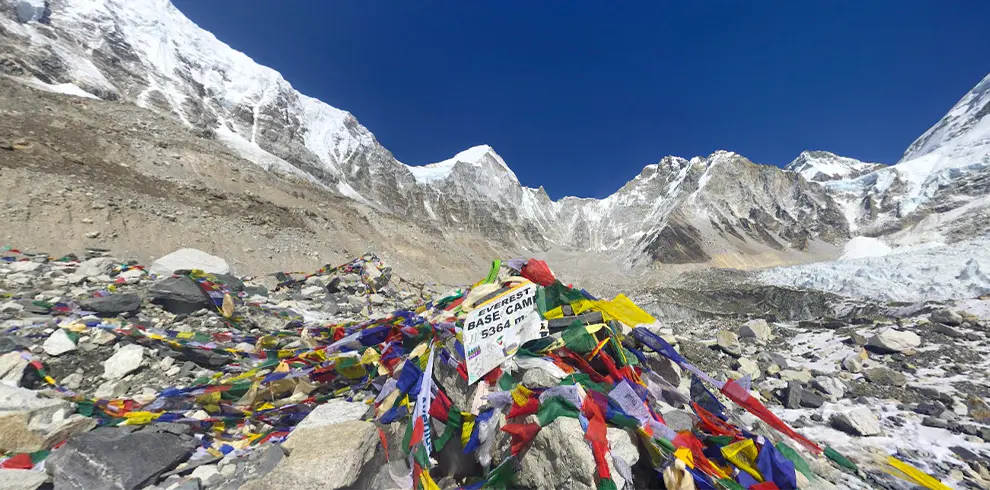
Hike to Gorakshep (5,180m), then continue to Everest Base Camp. Enjoy the views and atmosphere before returning to Gorakshep for the night. Duration: 7-8 hours.

10

Day 10:

Hike to Kalapatthar (5,550m) at sunrise & trek to Lobuche (4,900 m) Duration: 7-9 hours.

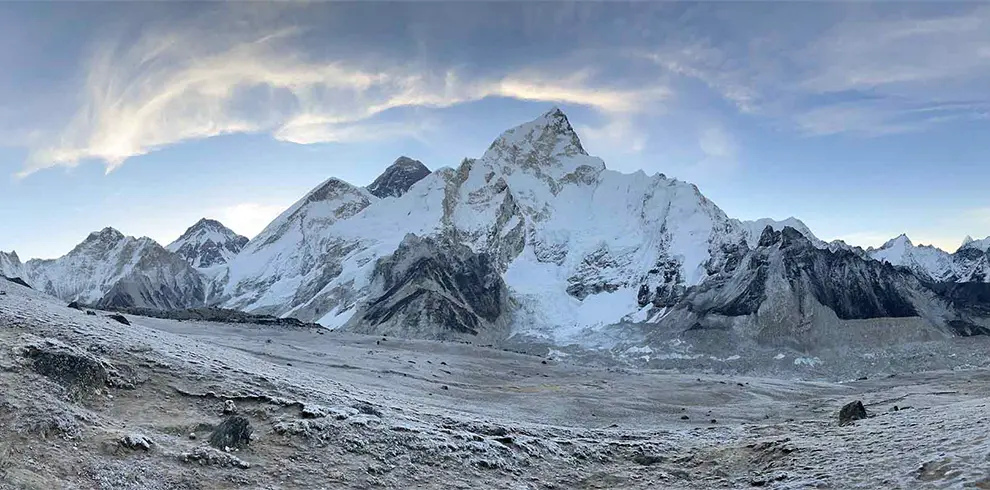
Early morning hike to Kala Patthar (5,550m) for sunrise views of Everest. Descend back to Lobuche. Duration: 7-9 hours

11

Day 11:

Trek from Lobuche to Kongma La (5,535m/18,159ft) to Chhukung (4,730m/15,518ft) Duration: 7-8 hours.

Cross the challenging Kongma La Pass (5,535m/18,159ft) and descend to Chhukung (4,730m). Duration: 7-8 hours.

12

Day 12:

Trek to Island Peak base camp (5,200m/17,060ft) Duration: 4-5 hours.

Hike to Island Peak Base Camp (5,200m/17,060ft), preparing for the summit attempt. Duration: 4-5 hours.

13

Day 13:

Island Peak base camp to Island Peak summit (6,189m/20,305ft), back to base camp: 10-12 hours.

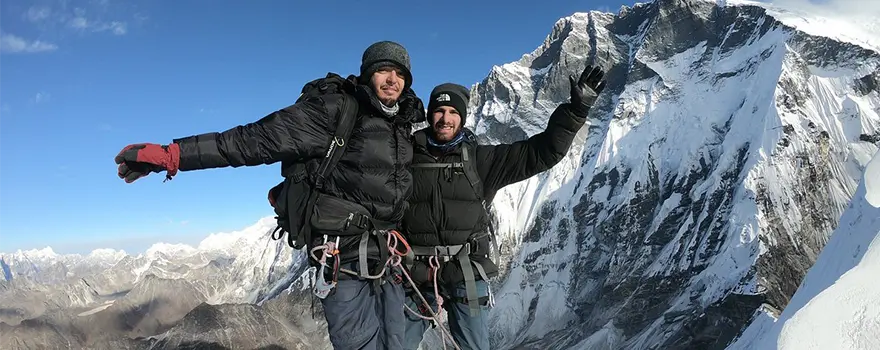
Summit Island Peak (6,189m/20,305ft), a strenuous climb involving glaciers and steep slopes. Return to base camp. Duration: 10-12 hours.

14

Day 14:

Trek from Island Peak Base Camp to Pangboche (3,985m/13,074ft) 5-6 hours.

Descend to Pangboche (3,985m/13,074ft), passing through beautiful landscapes. Duration: 5-6 hours

15

Day 15:

Trek from Pangboche to Namche Bazaar (3,440m/11,286ft): 4-5 hours.

Trek back to Namche Bazaar, retracing your steps and enjoying the descent. Duration: 4-5 hours.

16

Day 16:

Trek from Namche Bazaar to Lukla (2,800m/9,186ft) Duration: 6-7 hours.

Continue the descent to Lukla, reflecting on the journey and celebrating the accomplishment. Duration: 6-7 hours.

17

Day 17:

Fly back to Kathmandu (1,350m/4,428ft).

Take an early morning flight from Lukla to Kathmandu. Spend the day exploring or relaxing in the capital city.

18

Day 18:

Final Departure from Kathmandu.

Transfer to Tribhuvan International Airport for your departure, marking the end of your unforgettable adventure.
Plan Smarter, Trek Better

Too much information online? Don't just browse - talk to someone who has actually been there. Our experts have guided 100+ Island Peak Climbing and can answer you real questions.

image of experts 1
image of experts 2
image of experts 3
Speak to an expert

Costing Details

What Is Included in Island Peak Climbing Cost?

  • Seamless transfers to and from domestic and international flights as outlined in the itinerary.
  • Enjoy a comfortable 2-night stay in Kathmandu with daily breakfast included.
  • During the trekking and climbing phase, experience cozy accommodations in trekking lodges, teahouses, and tents.
  • Benefit from the expertise of a qualified and government-licensed high-altitude trekking guide.
  • Conveniently arranged flight tickets for Kathmandu-Lukla-Kathmandu for all climbing members and the Sherpa guide.
  • Savor three daily meals – breakfast, lunch, and dinner – accompanied by tea/coffee during your trek at various teahouses/hotels/lodges.
  • Journey with the support of capable and considerate Sherpa porters, equipped with safety gear and walking essentials. Their expenses, including salary, food, accommodation, and insurance, are covered (one porter for two individuals).
  • Explore the Sagarmatha National Park with a secure trekking permit.
  • Facilitate your trekking information with the TIMS card (Trekking Information Management System).
  • Secure the official Nepal government climbing permit for conquering Island Peak.
  • Access first aids medical kits for both your group and the staff.
  • Utilize provided sleeping bags, down jackets, duffel bags, and walking poles (returnable after the trip).
  • Navigate confidently with a trekking and climbing map of Island Peak.
  • Embrace the spirit of Nepal with service charges and government taxes within the country.
  • Bid farewell in style with a traditional Nepali restaurant dinner, featuring a domestic cultural presentation.
  • Take home a Master Himalaya Treks and Expedition T-shirt.
  • Keep track of your health using an oxygen meter, which monitors pulse, oxygen saturation, and heart rate twice daily – invaluable for detecting Altitude Mountain Sickness (AMS) symptoms.
  • Free 24 Hours Doctor counseling by call in case of medical necessity during the trek.

What Is Excluded in Island Peak Climbing Cost?

  • Lunch and dinner costs during your stay in Kathmandu (excluding the farewell dinner).
  • Personal indulgences such as packed food, snacks, fizzy drinks, energy beverages, bottled water, alcoholic drinks, tobacco, chocolates and health bars.
  • Personal expenditures, including laundry charges and gratuities.
  • Unforeseen circumstances like rescues, repatriation, medical tests, medicine expenses and hospital stays.
  • Essential medical insurance and emergency rescue evacuation coverage if needed.
  • Comprehensive travel insurance and helicopter rescue provisions.
  • International flight fares to and from Nepal.
  • Entry visa fee for Nepal (easily obtainable on arrival at Tribhuvan International Airport – Kathmandu). $25 USD for a 15-day visa.
  • Personal climbing equipment.
  • Gratuities, souvenirs and personal gifts.
  • Expected tips for your guide, porter and driver.

Gears And Equipments

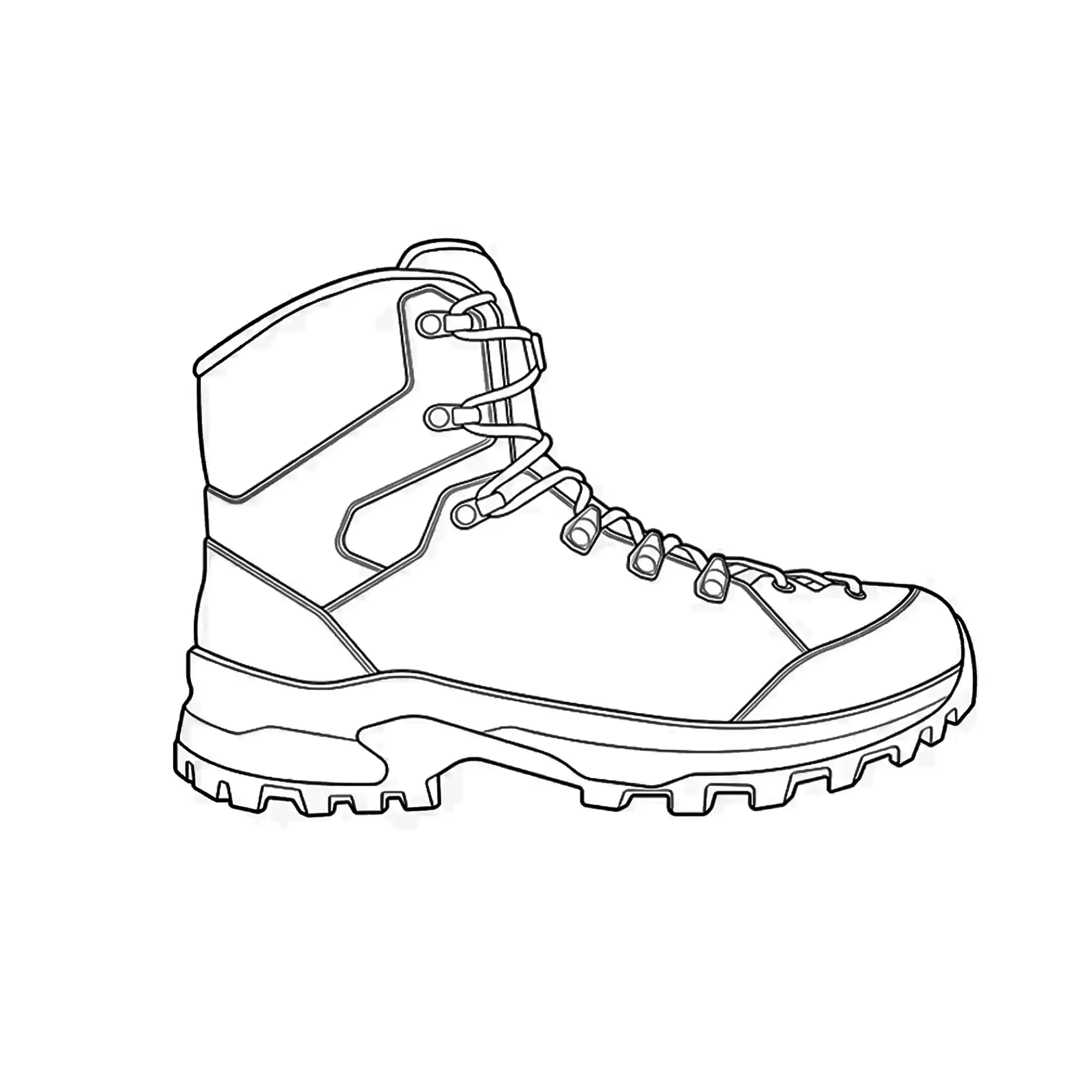
Mountaineering Double Boots

Mountaineering Double Boots

Mountaineering double boots are specialized footwear designed for high-altitude climbing and extreme cold conditions. These boots feature a dual-layer construction with an insulated inner boot that can be removed from the durable, weather-resistant outer shell. This design provides superior warmth, protection, and flexibility, making them ideal for expeditions on snow and ice. The inner boot can be dried separately, which is crucial for maintaining warmth during multi-day climbs. Double boots also offer compatibility with crampons, enhancing traction and safety on icy terrain. Their robust build ensures they can withstand harsh environments while keeping climbers' feet insulated and dry.

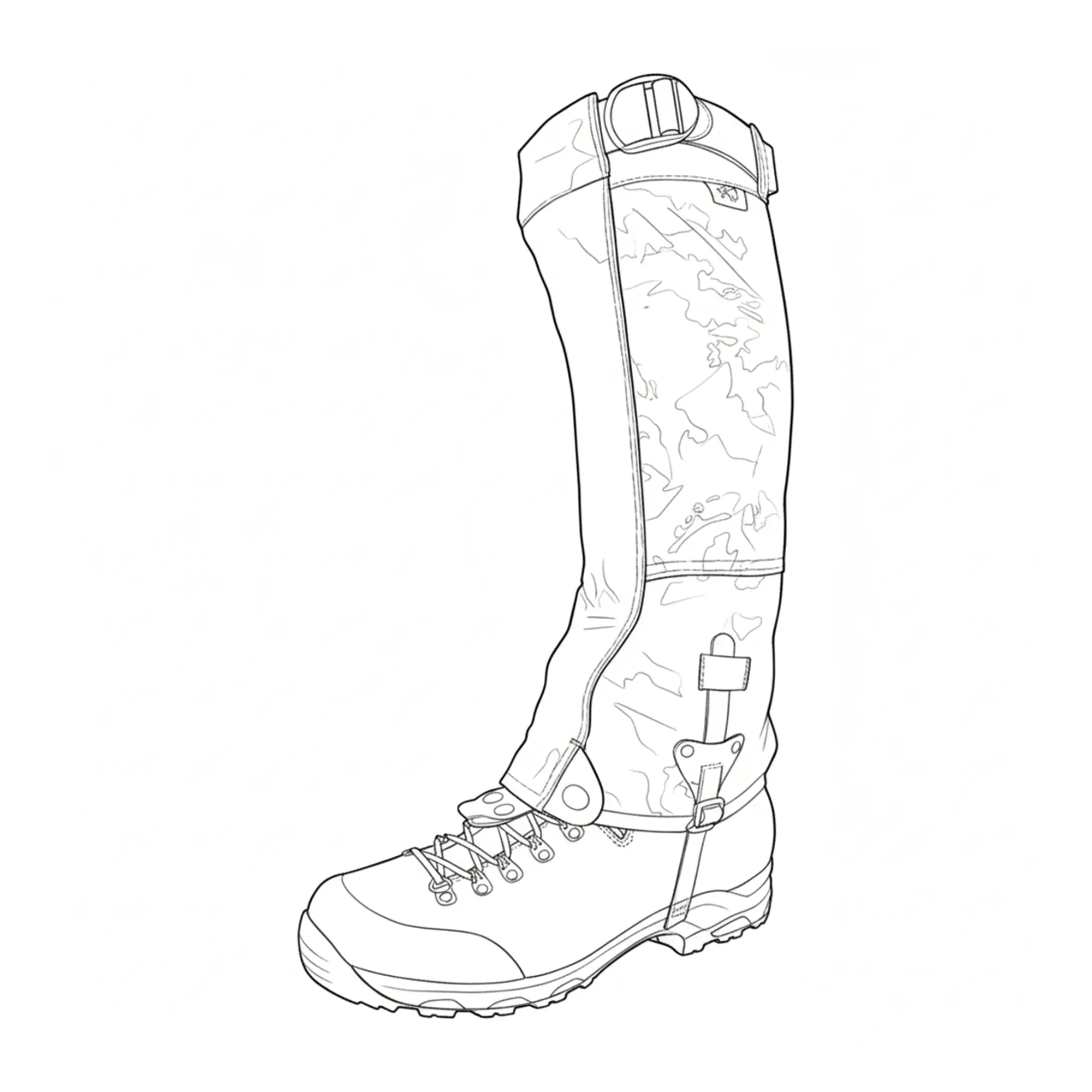
Gaiters

Gaiters

Gaiters are protective coverings worn over boots and lower pants, designed to shield against snow, water, mud, and debris. They are typically made from waterproof and durable materials like nylon or Gore-Tex. Gaiters wrap around the lower leg and upper boot, secured with Velcro, zippers, and sometimes straps or hooks that attach to the boot laces. This ensures a snug fit that keeps the elements out, making them essential for activities like hiking, mountaineering, and snowshoeing. Gaiters help maintain warmth and dryness, protecting the lower legs and feet from adverse conditions and enhancing overall comfort and safety in rugged environments.

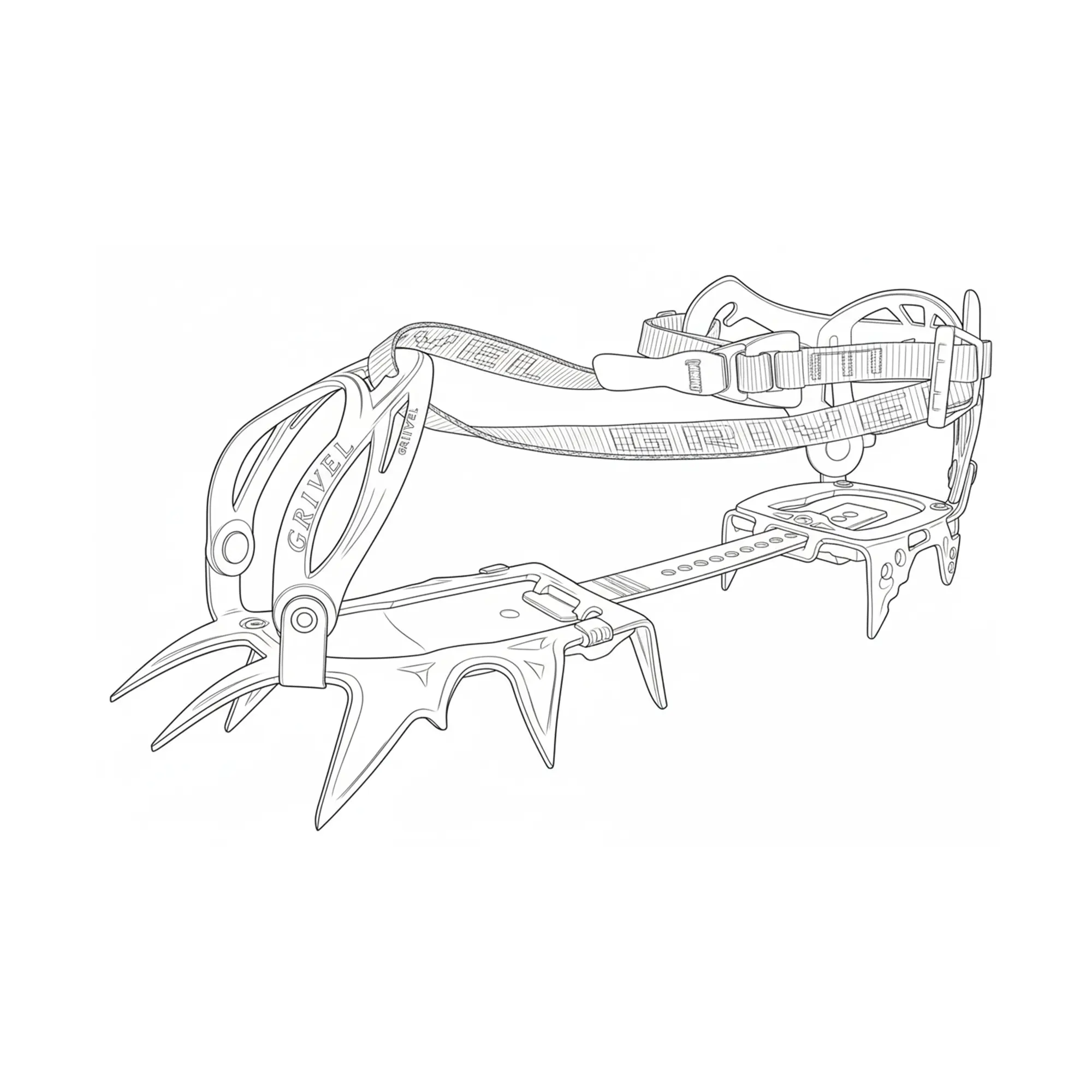
Crampons

Crampons

Crampons are traction devices that attach to footwear, designed to provide stability and grip on ice and snow. Made from metal, typically steel or aluminum, they feature a series of sharp points or spikes that dig into icy surfaces. Crampons are essential for mountaineering, ice climbing, and glacier travel, enhancing safety and mobility in slippery, steep, or technical terrain. They come in various styles, including step-in, hybrid, and strap-on, to fit different types of boots and climbing needs. By offering secure footing in challenging conditions, crampons are a critical tool for navigating and ascending icy landscapes.

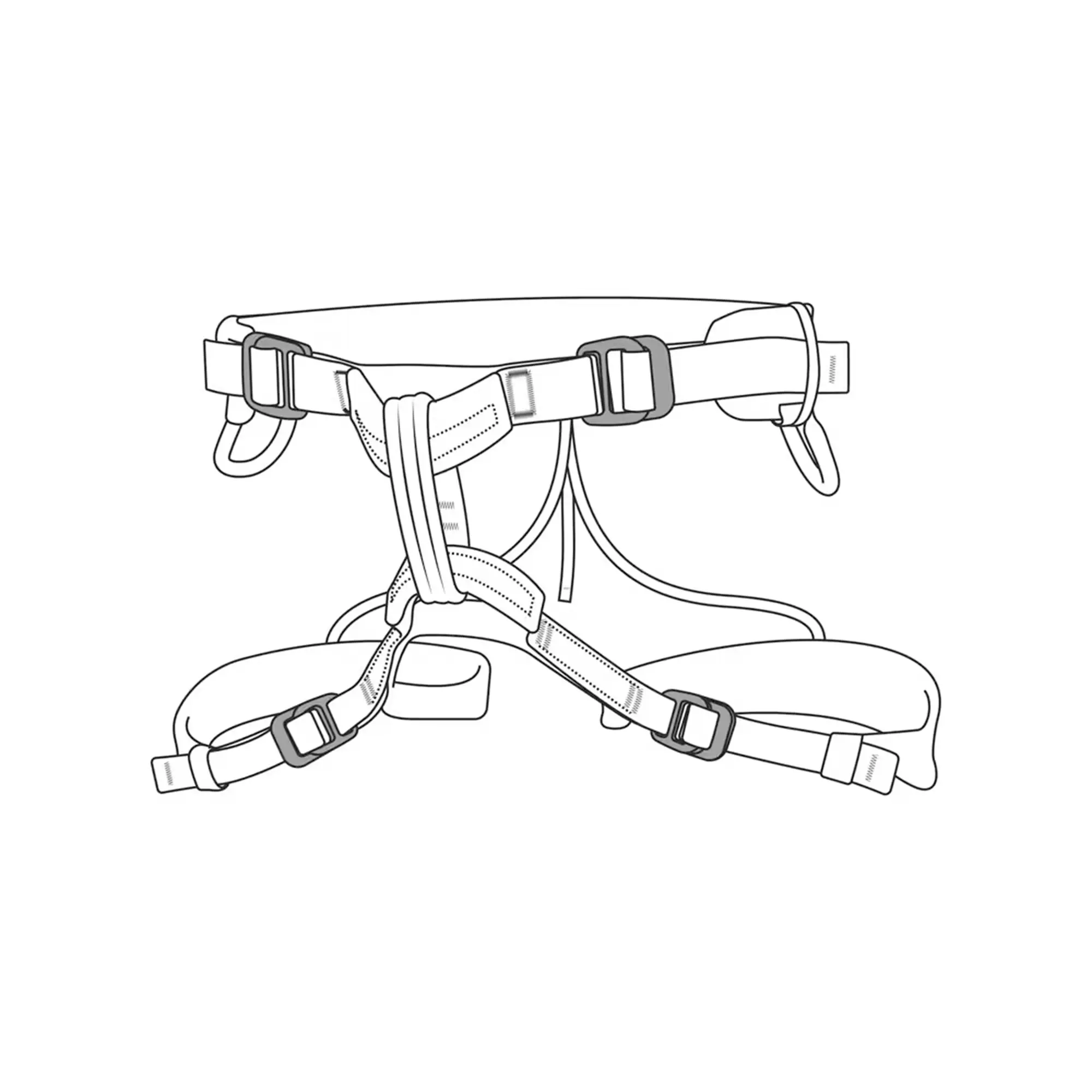
Climbing Harness

Climbing Harness

A climbing harness is a crucial piece of safety equipment used in climbing and mountaineering. It consists of a padded waist belt and leg loops that are secure around the climber's waist and thighs. These components are connected by a belay loop and reinforced tie-in points for attaching a rope. Climbing harnesses distribute the force of a fall evenly across the body, reducing the risk of injury. They also provide gear loops for carrying essential climbing tools. Available in various designs for different climbing styles, such as sport, trad, and ice climbing, harnesses are essential for ensuring climber safety and comfort during ascents and descents.

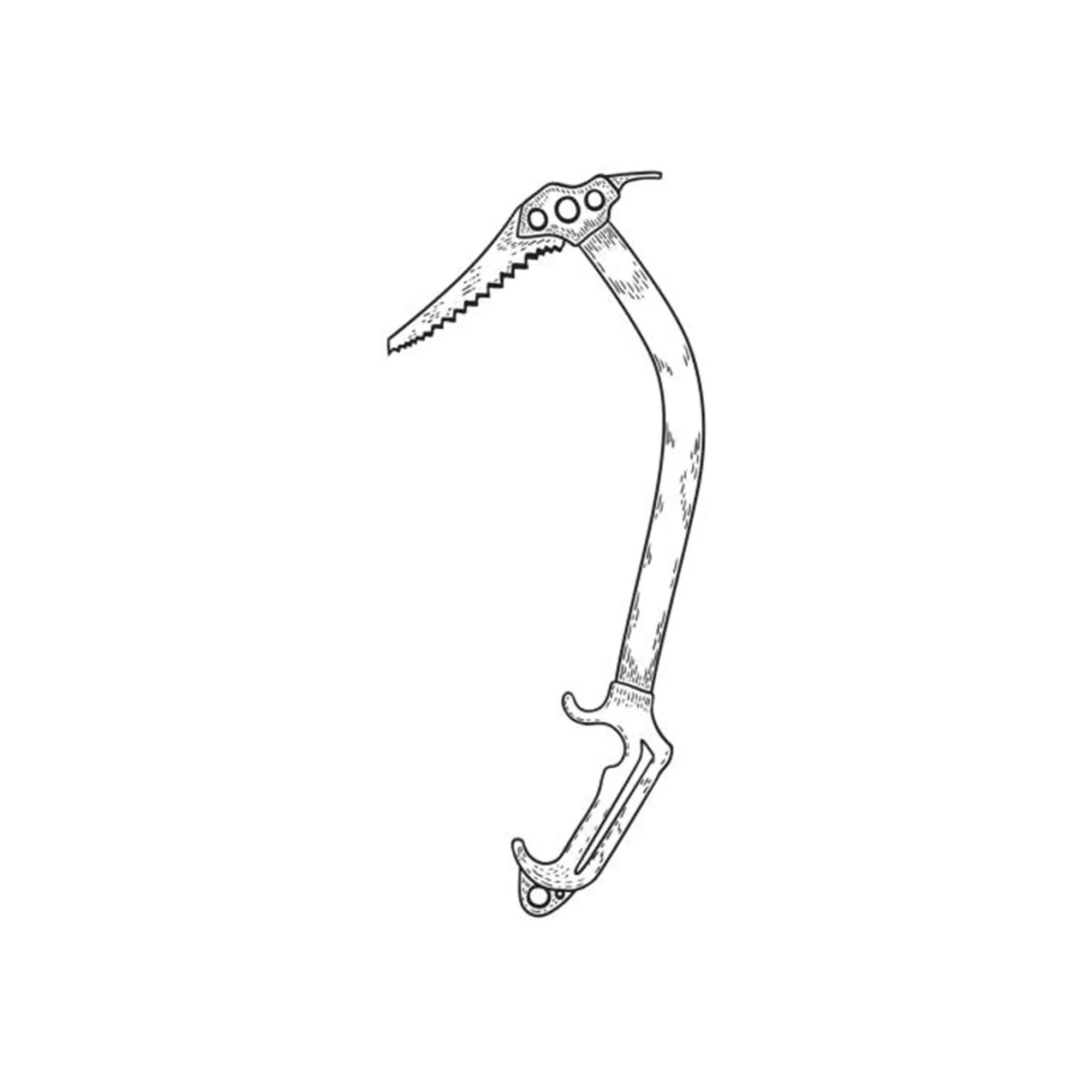
Walking Ice Axe

Walking Ice Axe

A walking ice axe is a versatile tool essential for mountaineering, glacier travel, and hiking on icy or snowy terrain. It features a durable metal head with a pick on one side and an adze on the other, mounted on a long, sturdy shaft. The pick is used for cutting footholds, self-arresting falls, and providing stability on steep slopes, while the adze is useful for chopping steps and clearing snow. The shaft, often made of lightweight materials like aluminum or carbon fiber, can be driven into the snow for support. Walking ice axes enhances safety and mobility, making them a critical tool for navigating challenging alpine environments.

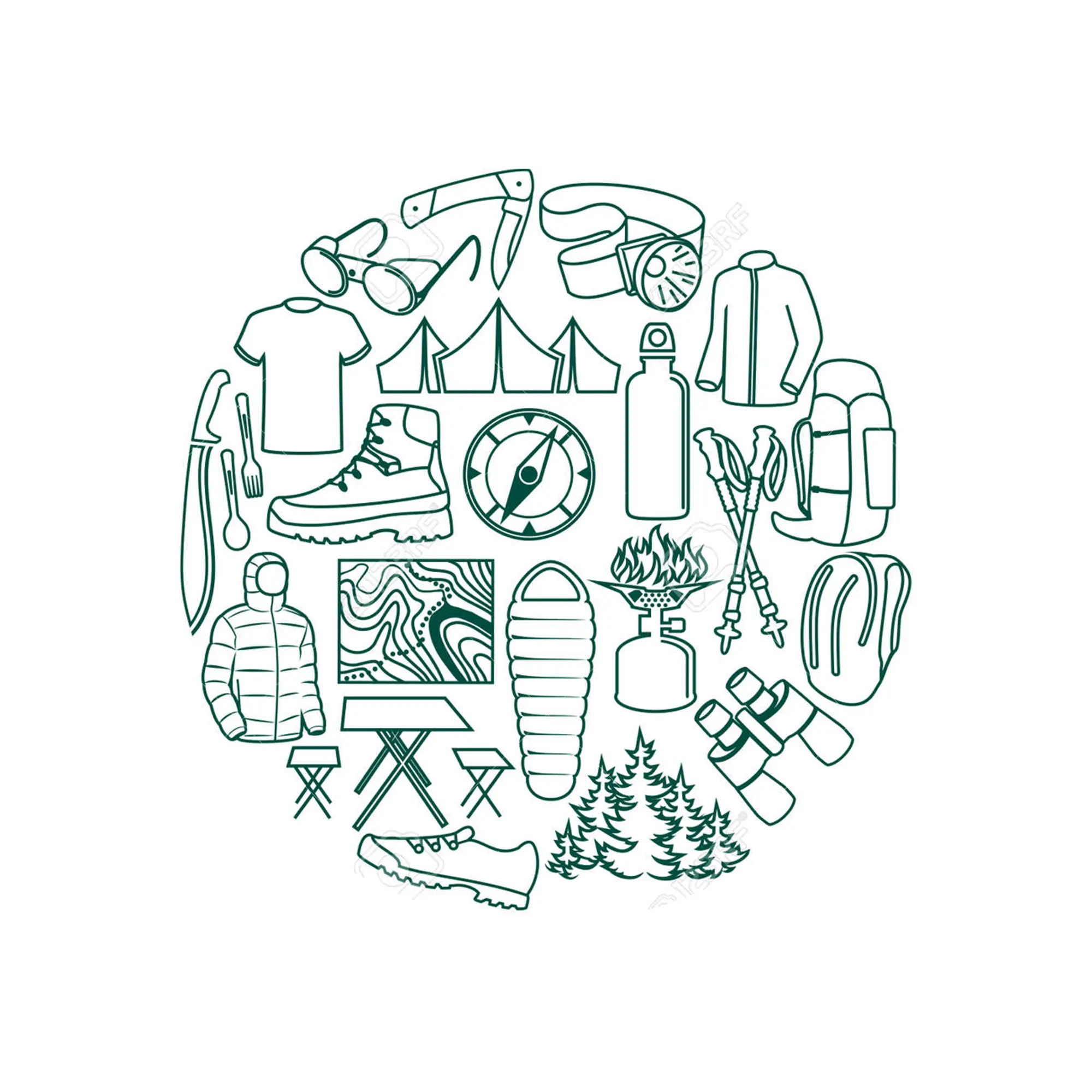
Basic Trekking Gear

Basic Trekking Gear

Basic trekking gear like down jackets, sleeping bags, water bottles, waterproof pants, thermal, trekking pants, gloves and other essential documents.

Master Himalaya Feedback

Write a Review

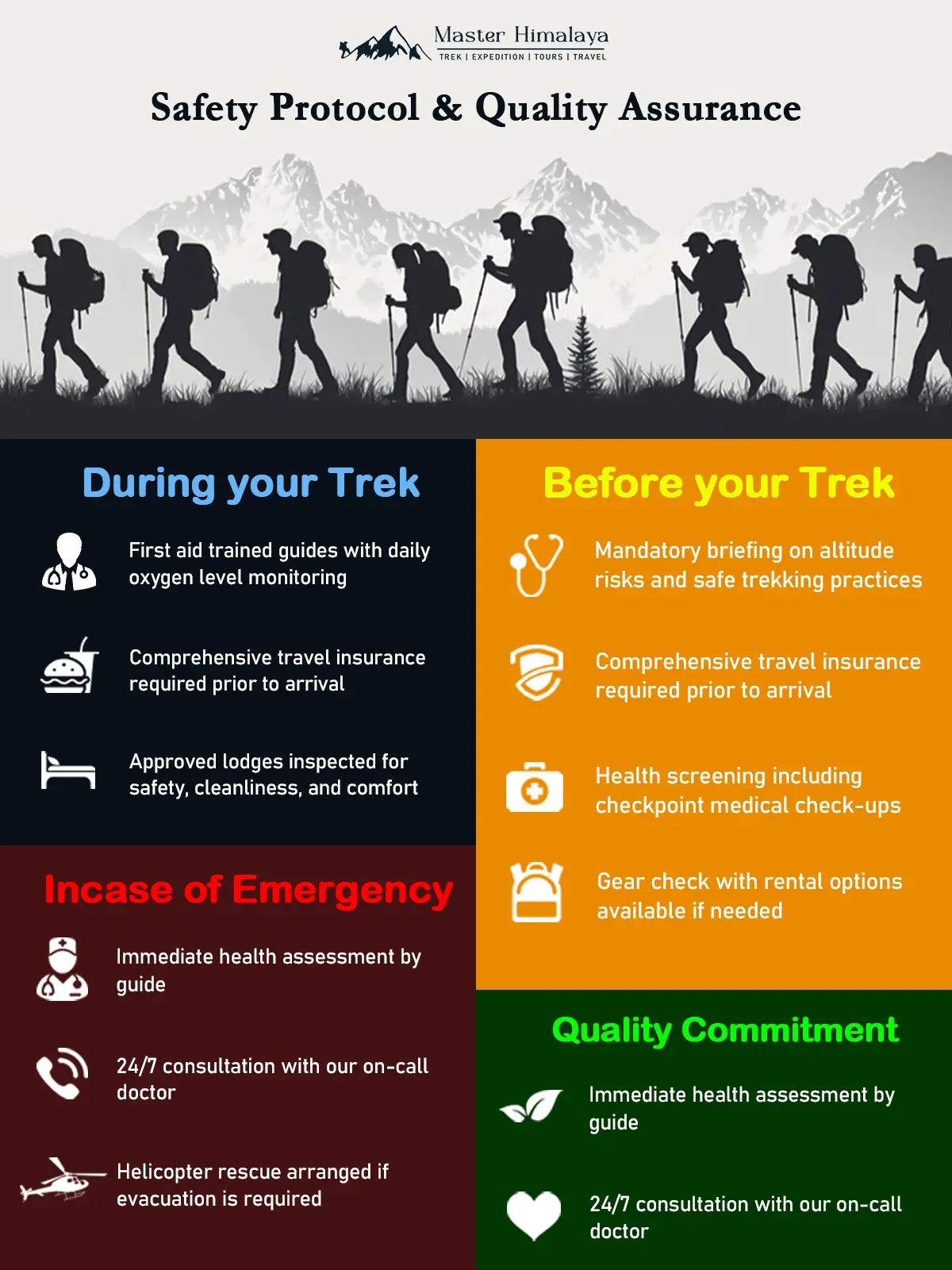
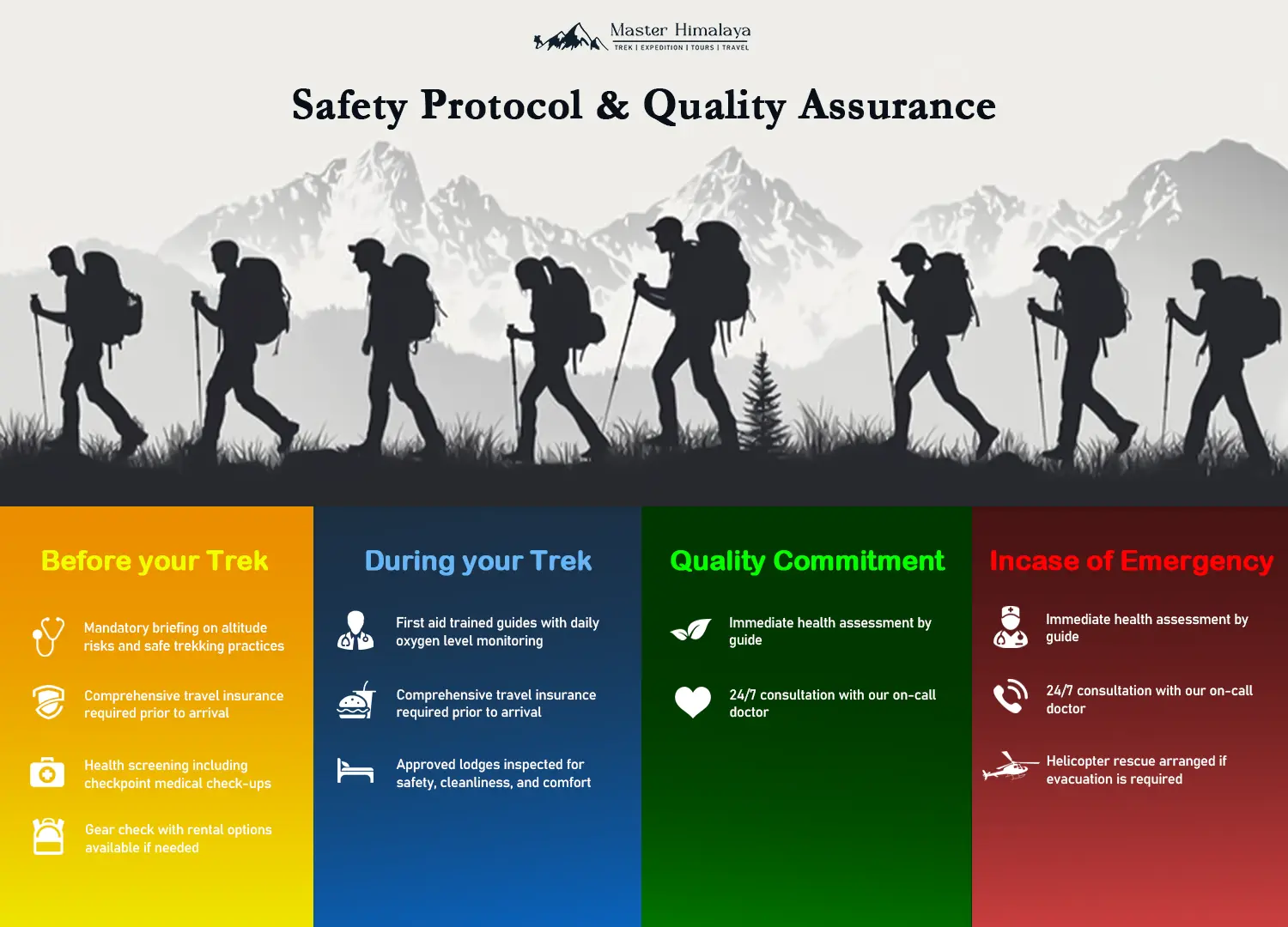
Safety Protocol and Quality Assurance

Island Peak Climbing
Book now