In spite of being a secular nation, Nepal is led by the resources of the Hindu faith. Most Nepalese pilgrims adhere to the Hindu faith. Kathmandu is the ‘city of temples.’ In truth, Kathmandu is a city filled with these sacred sites. There are famous temples all around the state dedicated to several gods. Our Nepal Pilgrimage excursion takes you to numerous holy places around Kathmandu, particularly for Hindu devotees. The numerous pilgrimage places in Nepal have deep non-secular roots and histories. The Hindu pilgrimage slog provides the possibility of going to the sites to worship gods.
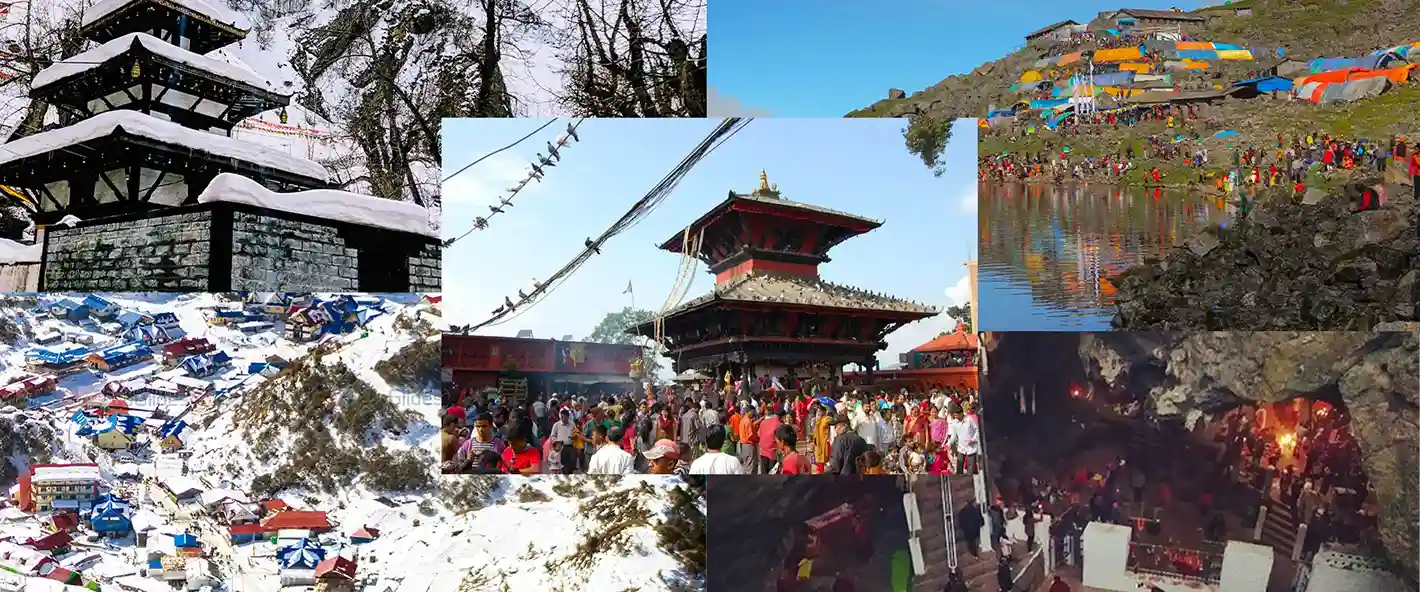
Pilgrimage excursions in Nepal are the best way to visit the country's pilgrimage sites. Nepal, a country inhabited by spiritual people, is home to Hindus, Buddhists, Muslims, Christians, and Jains, all of whom thrive in its diverse religious landscape. The most critical pilgrimage sites in Nepal include Pashupatinath Temple, Boudhanath Stupa, Lumbini, Kalinchwok Bhagwati Temple, Muktinath Temple, Gosaikunda Lake, Manakamana Temple, and Tengboche Monastery.
A pilgrimage tour is a satisfactory way to visit pilgrimage sites in Nepal. The locations are in the immoderate mountain, which embodies the Muktinath Temple, Janakpur Temple, Kalinchwok Bhagwati, Gosaikunda Lake, and so on. Furthermore, most of the different spiritual sites are located in metropolitan towns of Nepal, where you can take a tour to visit pilgrimage sites like the Manakamana Temple, Muktinath Temple, Halesi Pilgrimage, and others.
Pilgrimage tours in Nepal are generally well-known among Hindus and Buddhists. Many pilgrims visit Nepal to pay homage to the gods and goddesses. Nepal can be one of the first-class places for pilgrims, as we have uncountable temples, monasteries, gumpas, and spiritual websites in the country. Due to significantly lower promotion of these sites, Nepal has not been successful in attracting pilgrimage travelers as much as it could have.
Take a pilgrimage tour to Nepal to go to temples, monasteries, and shrines in Nepal to worship the respective gods. We are usually here to tailor your trip as steady as your necessities. The top 5 pilgrimage sites in Nepal are listed below:
Muktinath Temple
Halesi Mahadev Temple
Gosainkunda Lake
Kalinchowk Bhagwati Temple
Manakanama Temple
Muktinath Temple
The Muktinath excursion is one of the favored pilgrimage excursions in the Annapurna area, and its miles are part of the entire Annapurna circuit. It is easy to see and experience fantastic views of the Himalayas. The Muktinath pilgrimage excursion is located on the northern side of Pokhara Valley. It is one of the astonishing diversities in which we can experience the thrill at the same time as we’re trekking within the vicinity. The deep valley is adjacent to the high mountains of Annapurna, from a subtropical jungle to an excessive, dry landscape that embraces a wide range of people. It’s by far the most famous trekking vicinity, as it has attracted many trekkers. There are first-rate motels lining the primary routes. There is no question that locating the area beneath the river in Nepal may be difficult, although the scenery and culture in that region are splendid.
Muktinath is a sacred pilgrimage area in the Mustang region of Nepal, which is an area you ought to move to once in your lifetime. It’s a pivotal site for both Hindus and Buddhists. The Muktinath temple lies approximately 18 km northeast of Jomsom at an altitude of 3749 m (12,184 feet); the main altar is devoted to Lord Vishnu. The Holy Lake in Muktinath, 108 water sprouts, and the temple itself are the subjects that keep you busy worshipping, holy tubs, and others. The path to Muktinath Temple is along the Kali Gandaki River, in which the stone, Shaligram, may be found. Numerous alternatives are available for the trip to Muktinath: through the street, with the aid of a flight through Jomsom, with the support of a trek via the Annapurna location, and by helicopter excursion.
Halesi Mahadev Temple
The Halesi Mahadev Temple is an honored pilgrimage for Hindus, Buddhists, and Kirat, placed within the village of Mahadevsthan in the Khotang District of eastern Nepal. The temple and the cave are of great importance for enthusiasts of the above-noted religions. For Buddhists, the cave and the temples are referenced as far back. Inside the artwork, Mandarava and Padmasambhava found out that there had been many sturdy teachings encoded within the cave using Dakini Sangwa Yeshi. With the aid of utilizing those educations, they attained a lengthy existence. For Hindus, the vicinity is the place where Lord Shiva is concealed from the demon Bhasmasur in the cave. Hindu worshippers come to the hollow during the month of Shravan and the vacations of Bhasmasur, Rama Navami, and Ganesh Chaturthi to preference Haleshi Mahadev. For Kiratis, they worship Halesi as an ancestral deity, their ancestor who used to live inside the cave. Its front is usually like 1/2 of a half-moon and faces within the course of the east. It has a round shape, with each other, separate, cave mendacity underneath, and the floor in circumference. This cave lies between the holy rivers Dudh Koshi and Solar Koshi. The cave is typically bloodless and moist. Nowadays, it’s easily accessible via bikes and jeeps.
Gosaikunda Lake
The sacred Gosaikunda Lake is one of the most famous pilgrimage sites for both Hindu and Buddhist devotees. Every year, during the full moon in August, thousands of pilgrims visit Gosaikunda. This time is marked by vibrant festivities, during which many shamans gather to perform traditional shamanic rituals, asserting their ancestral and cultural practices. According to legend, Lord Shiva created this holy lake by piercing a glacier with his trident (Trishul) to obtain water to quench his thirst after swallowing poison. At the center of Gosaikunda Lake lies a black rock believed to represent Lord Shiva, while a white stone beneath the water is said to be the remains of an ancient shrine. Surrounding Gosaikunda are several other beautiful and sacred lakes, including Suryakunda, Saraswotikunda, and Nagkunda, all of which are well worth visiting. This sacred pilgrimage tour in Nepal offers a journey to inner peace, spiritual fulfillment, and a deep connection with the pristine natural surroundings.
Kalinchowk Bhagwati Temple
Kalinchowk Bhagwati Temple is located in Dolakha District, surrounded by stunning natural scenery and offering panoramic views of majestic mountains such as Dorje Lakpa, Gurkarpo Ri, Longpogan, and Bhairav Takura. Amid this breathtaking landscape stands the revered and grand Kalinchowk Bhagwati Temple. Visitors can reach the temple either by taking a cable car to the top or by enjoying a scenic one-hour hike along a picturesque trail. The temple is a sacred and consecrated site for Hindus, who visit in large numbers due to its deep historical and spiritual significance. According to legend, the summit of Kalinchowk was once a meditation site of Goddess Kali, the deity associated with power and destruction. When an evil force attempted to overpower her, a fierce battle ensued. During the conflict, Lord Shiva is believed to have empowered Goddess Kali using his divine trident and holy water that emerged from the barren land. As a result, the water pond at the top of Kalinchowk is considered holy and natural, believed to purify those who bathe in or drink its water. With its breathtaking landscapes, rich folklore, and mystical legends, Kalinchowk Bhagwati Temple is an experience not to be missed while traveling in Nepal.
Manakanama Temple
Manakamana Devi Temple is a highly reputable sacred site dedicated to the Hindu Goddess Bhagwati. The word Manakamana means “the fulfillment of wishes,” and it is believed that Goddess Bhagwati grants the desires of devotees who make a pilgrimage to her shrine with pure faith. The temple is situated at an altitude of 1,302 meters and overlooks the river valleys of the Trishuli River to the south and the Marshyangdi River to the west. On clear days, visitors can enjoy panoramic views of the Manaslu, Himchuli, and Annapurna mountain ranges.
The Manakamana Temple is a prominent Hindu pilgrimage site located in the Gorkha District of Nepal, approximately 100 kilometers from Kathmandu. The temple is dedicated to Goddess Bhagwati, an incarnation of Goddess Parvati. The name Manakamana is derived from two words: “mana,” meaning heart, and “kamana,” meaning wish—together symbolizing the goddess who fulfills heartfelt desires. Darshan is a Sanskrit term meaning “sight” or “divine vision,” and the spiritual journey to see Goddess Bhagwati at this temple is known as Manakamana Darshan.
According to Hindu mythology, the universe is composed of five cosmic elements: earth, fire, water, air, and ether. Offerings made to the goddess are based on these elements, and at least one of them must be included among the worship materials. Manakamana Temple is also home to Nepal’s first cable car system, which operates from the cable station at Cheers, located about five kilometers east of Mugling. The cable car ride takes approximately 10 minutes and usually operates during daylight hours, with a lunch break from noon to 1:30 PM. Devotees from both Hindu and Buddhist communities visit this sacred temple, believing that a pilgrimage to Manakamana can turn dreams into reality. It is widely believed that Goddess Bhagwati grants the wishes of all who worship her with sincere devotion.
Master Himalaya Treks and Expedition
Frequently Asked Questions (FAQs)
What are the top pilgrimage destinations in Nepal?
The top pilgrimage destinations in Nepal include Muktinath Temple, Halesi Mahadev Temple, Gosaikunda Lake, Kalinchowk Bhagwati Temple, and Manakamana Temple. These sites are sacred to Hindus, Buddhists, and other faiths.
Is Nepal only a Hindu pilgrimage destination?
No. Nepal is a multi-religious country and an important pilgrimage destination for Hindus, Buddhists, and Kirat followers, with many sacred sites shared by multiple religions.
When is the best time to go on a pilgrimage tour in Nepal?
The best time for a pilgrimage tour in Nepal is during spring (March–May) and autumn (September–November), when the weather is pleasant and travel conditions are favorable.
Why is Muktinath Temple important for pilgrims?
Muktinath Temple is a sacred site for both Hindus and Buddhists. Hindus believe it grants moksha (salvation), while Buddhists revere it as a place associated with Guru Rinpoche and the sacred water springs.
What makes Manakamana Temple special?
Manakamana Temple is believed to fulfill devotees’ wishes and is dedicated to Goddess Bhagwati. It is also famous for Nepal’s first cable car, making the pilgrimage accessible and convenient.
Can pilgrimage tours in Nepal be customized?
Yes. Pilgrimage tours in Nepal can be customized based on duration, religious preference, comfort level, and travel needs, including options for road travel, trekking, or helicopter tours.