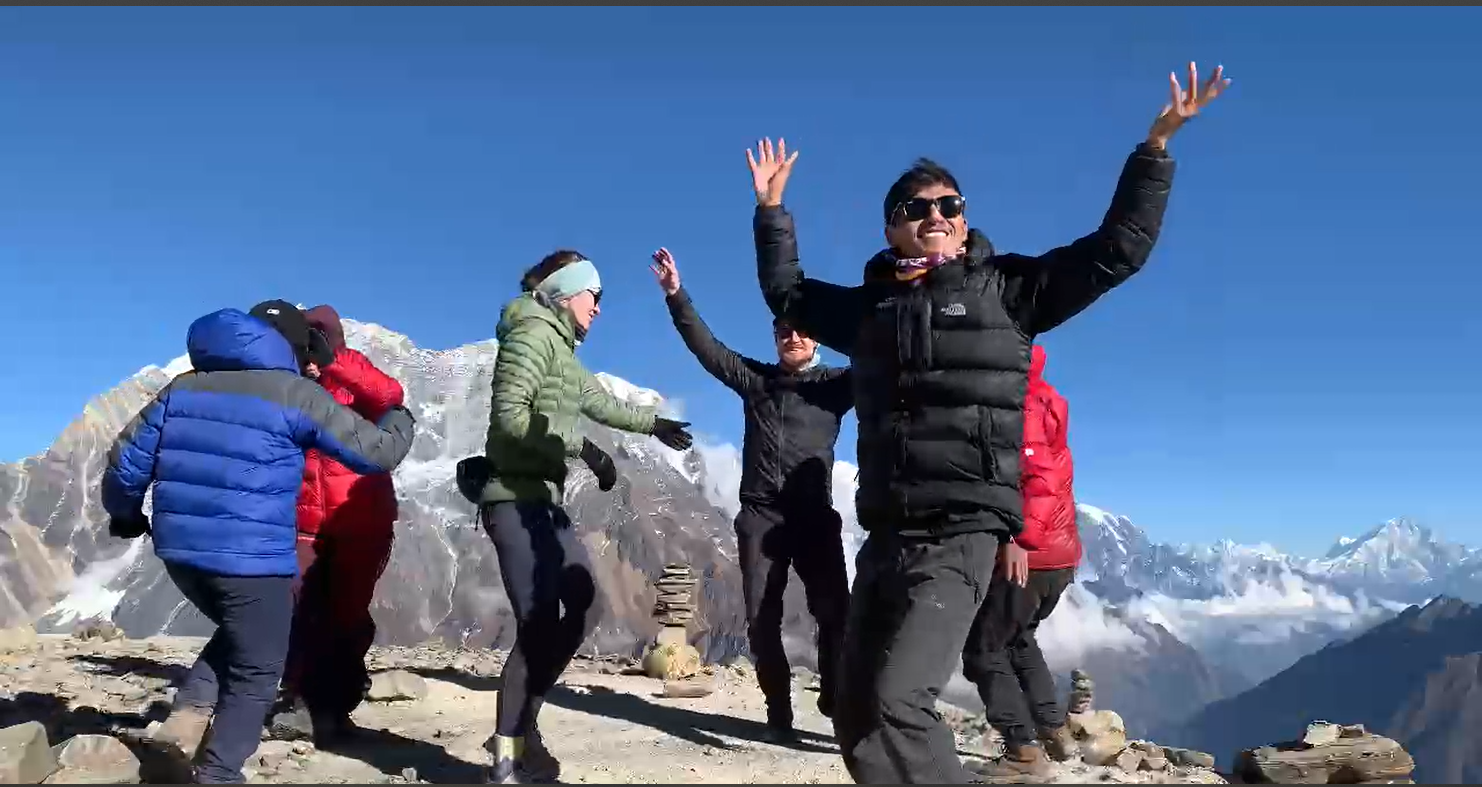
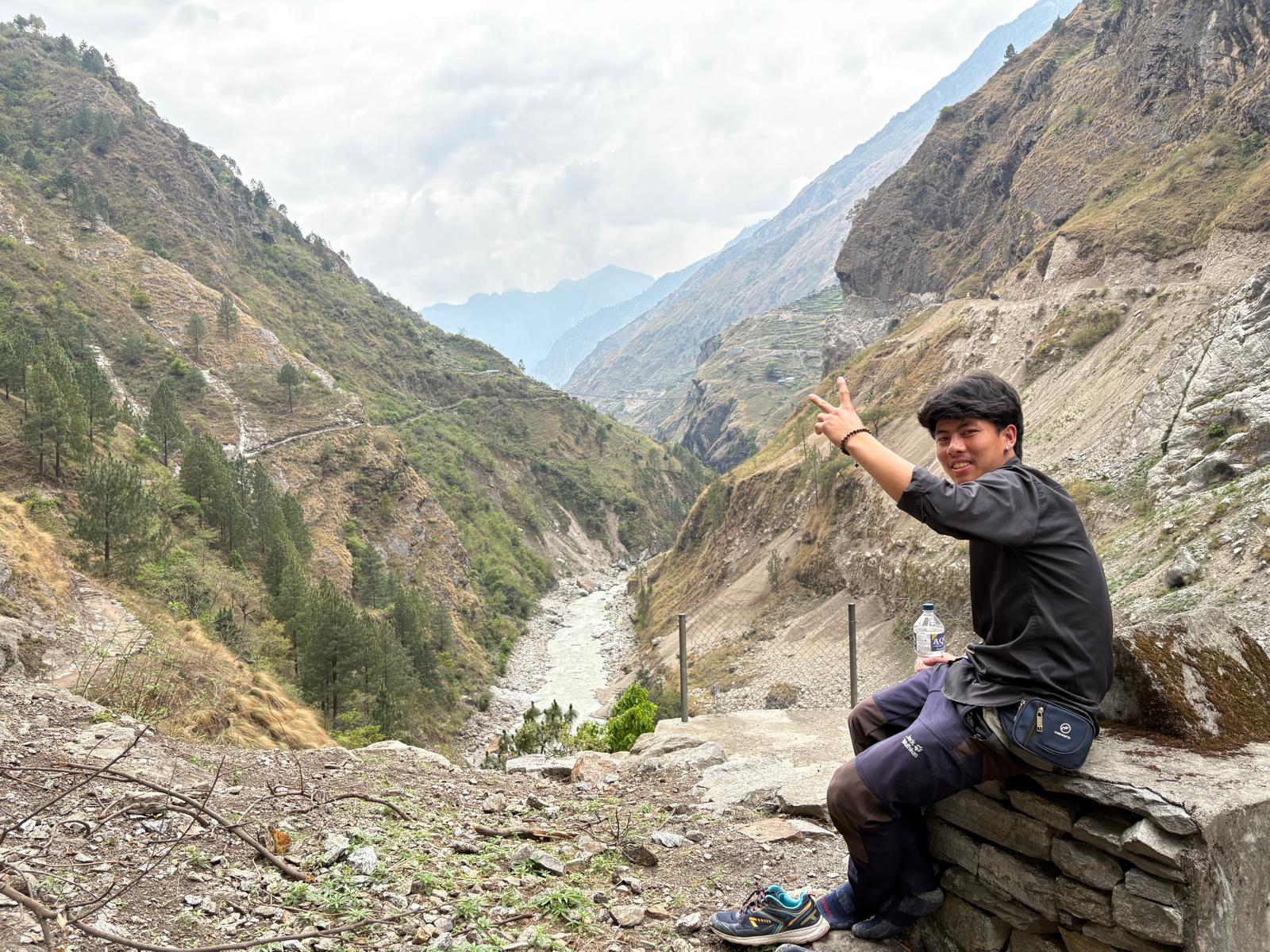
The People Behind Every Successful Himalayan Trek
At Master Himalaya, our greatest strength is not just our itineraries or logistics — it is the people on the ground who lead, support, and safeguard every trek.
Our guides, porters, and field staff are carefully selected professionals with deep Himalayan experience, strong ethical standards, and a shared commitment to safety, responsibility, and client care.
Professional Trekking Guides
Our trekking guides are the leaders, decision-makers, and safety anchors of every journey.
How Our Guides Are Selected
Minimum 5+ years of high-altitude trekking experience
Proven experience in regions such as Everest, Manaslu, Annapurna, and restricted areas
Strong communication skills and calm leadership under pressure
Deep knowledge of terrain, weather patterns, and altitude risks
Training & Certification
Government-licensed trekking guides
Regular training in:
High-altitude sickness recognition & response
First aid and emergency protocols
Route planning and acclimatization strategy
Client safety and group management
Our guides are trained not just to lead the trek, but to protect the group, adjust plans when necessary, and prioritize health and safety over rigid itineraries.
English-Speaking & Client-Focused
Clear communication in the mountains is critical.
Our guides:
Speak clear and functional English
Explain daily plans, altitude gains, and risks transparently
Brief clients on terrain, weather, and expectations
Act as cultural interpreters, sharing local knowledge and traditions
This ensures clients feel informed, confident, and supported throughout the trek.
Porters: The Backbone of Himalayan Trekking
Porters play a vital role in Himalayan trekking, and at Master Himalaya we treat them with respect, dignity, and fairness.
Porter Welfare Standards
Strict load limits followed at all times
Fair wages aligned with trekking industry standards
Proper clothing and footwear support
Adequate food, accommodation, and rest
Insurance coverage during the trekking period
We do not overload porters or compromise their safety to reduce costs.
Ethical porter treatment is not optional — it is a core part of how we operate.
Guide-to-Client & Porter Ratios
We maintain responsible group ratios to ensure safety and personalized support:
Small trekking groups for better monitoring
One porter shared between two clients (or as per trek requirements)
Additional staff arranged for challenging routes, high passes, or expeditions
These ratios allow our team to respond quickly to fatigue, altitude symptoms, or changing conditions.
Field Team Coordination & On-Ground Support
Behind every trek is a coordinated field team that manages:
Lodge reservations and meals
Route updates and weather considerations
Emergency preparedness and evacuation coordination
Communication between guides, porters, and head office
This structure ensures smooth operations even in remote Himalayan regions.
Why the Right Team Matters in the Himalayas
In the mountains:
Weather changes quickly
Altitude affects everyone differently
Decisions must be made responsibly and calmly
An experienced, ethical field team can be the difference between:
A safe, enjoyable trek
And a risky or poorly managed experience
This is why Master Himalaya invests heavily in people, training, and standards, rather than cutting corners.
Our Commitment to Responsible Trekking
When you trek with Master Himalaya, you support:
Fair employment practices
Local mountain communities
Safe and responsible Himalayan tourism
We believe responsible trekking benefits clients, staff, and the mountains themselves.
Trek with Confidence
Our guides, porters, and field team are not hired casually — they are the foundation of our reputation and the reason many trekkers return or recommend us.
When you choose Master Himalaya, you trek with a team that values safety, ethics, professionalism, and genuine Himalayan expertise.
Treks you might like:
- Everest Base Camp treks
- Manaslu Circuit treks
- High-pass treks (Cho La, Larkya La)