Trekking Guide Qualification Standards in Nepal: What International Trekkers Must Know
published on: 08th Jan, 2026
trekking
trekkingguide
guidelicense


published on: 08th Jan, 2026
trekking
trekkingguide
guidelicense
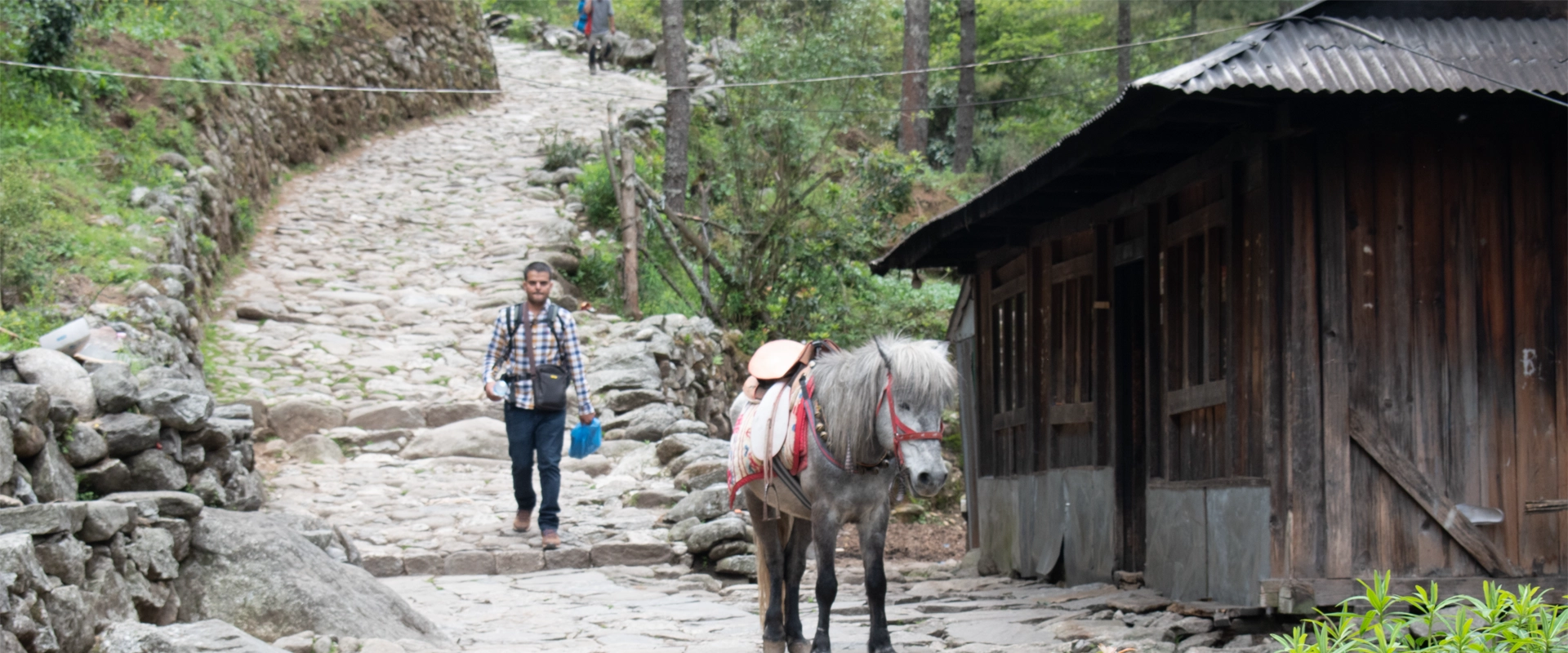
Nepal has recently tightened its trekking regulations: foreign trekkers must now hire licensed, government-certified guides for most Himalayan routes. The rule (effective April 1, 2023) is “aimed at ensuring the safety of travelers and creating more jobs.” In practice, the rule means independent trekking is no longer allowed in national parks or protected areas, and each foreign trekker must obtain a TIMS card with an NTB-registered guide. By law, that guide must be a local (Nepalese) professional who has completed a formal training program for trekking guides and passed the government licensing exam.
All professional trekking guides in Nepal follow a government-approved curriculum. Prospective guides enroll in an NTB-sanctioned course (e.g., at the Nepal Academy of Tourism and Hotel Management or the Nepal Mountain Academy) that covers first aid, mountaineering safety, map navigation, flora and fauna, and cultural/environmental awareness. At the end of this intensive 4-6 week training, they must pass a written and field exam to earn their Nepal Tourism Board (NTB) license. The NTB license (carried as an ID card) shows the guide’s photo, license number and expiry date, certifying they meet the government’s standards. As one industry guide notes, these training programs instill vital skills—“first aid, mountain safety, cultural awareness, navigation, and basic English”—so that certified guides can handle emergencies and lead trekkers safely.
Once licensed, guides must register with a government-approved trekking agency (often under the Trekking Agencies Association of Nepal, TAAN). In fact, all foreign trekkers are required to hire guides through registered agencies. This ensures guides have professional backing, insurance and accountability. No foreigner can legally trek alone: without a licensed guide, a trekking permit (TIMS card) simply will not be issued.
In summary, Nepal’s official requirements for trekking guides include:
For international visitors (particularly from Europe and North America), Nepal’s guide standards translate directly to safety and peace of mind. Hiring a trained local expert dramatically lowers the risk of getting lost, suffering altitude illness without help, or facing other trail emergencies. Guides also handle all logistics: they secure TIMS cards and national park permits and carry communication devices. By law, foreign trekkers cannot enter a Nepali national park without a guide, so compliance is mandatory for any itinerary planning.
Additionally, these regulations support responsible tourism: they create jobs for local Nepalis and ensure that guides stick to sustainable practices. Guides are required to stay up to date on the latest safety protocols, which “help ensure a safe trekking experience.” For European or American adventurers who demand high safety standards, the new legislation means that trekking in Nepal is now a professionalized, well-regulated industry rather than an unstructured adventure.
Master Himalaya Treks & Expedition fully adheres to all official guide standards. Our company is government licensed and TAAN accredited, and we employ only NTB-certified guides. Each guide on our team has completed the formal training and licensing process described above. They speak fluent English (and many know other European languages) and have years of high-altitude experience.
When you trek with Master Himalaya Treks & Expedition, you benefit from our stringent compliance: guides carry valid Nepal Tourism Board license cards, use professional equipment, and follow the standardized safety protocols that the Nepal government mandates. We handle all permit paperwork (TIMS, national park and conservation area permits) on your behalf, so you avoid any bureaucratic hassles. We build Master Himalaya's operations to meet or exceed Nepal's trekking guide qualification standards. Travellers from Europe, America or elsewhere can therefore rest assured that their Himalayan adventure is both fully legal and expertly guided.
Master Himalaya Treks & Expedition also emphasizes ethical practices in line with industry norms. We provide proper training and insurance for our staff, ensure porters carry limited loads, and promote respectful engagement with local culture. By following all the government guidelines for guides and porters, we deliver a safe, responsible trekking experience that international clients trust.
Key Takeaways: Nepal now mandates licensed, professionally trained guides for foreign trekkers. Guides must complete NTB-approved training (first aid, navigation, etc.), have at least 2 years’ experience, and speak fluent English. Master Himalaya complies with these standards, using only certified local guides to ensure your trek is safe, legal and unforgettable.
Yes. As per Nepal government regulations, foreign trekkers must be accompanied by a licensed trekking guide on most trekking routes.
Trekking guide licenses are issued by the Nepal Tourism Board after completing government-approved training and examinations.
No. Solo trekking without a licensed guide is not permitted for foreign nationals in national parks and conservation areas.
We offer different tour types. You can also chat with a local travel specialist if you want a customized tour to Nepal.
Our travel experts are recommended by





2026-01-09 00:00:00
2025-12-22 00:00:00
2025-11-11 00:00:00
2025-12-22 00:00:00
2026-01-08 00:00:00
2026-01-04 00:00:00