Trekking in Nepal: A Complete Guide for European Travellers
published on: 09th Jan, 2026
trekking in Nepal


published on: 09th Jan, 2026
trekking in Nepal
Trekking in Nepal is a once-in-a-lifetime adventure that European tourists will find both accessible and rewarding. Whether you’re a novice hiker or an experienced mountaineer, Nepal’s legendary trails offer something for everyone. From gentle 3–5 day hikes around Pokhara to challenging multi-week treks like Everest Base Camp or the Annapurna Circuit, the Himalayan scenery and rich culture make it an unforgettable journey. This guide breaks down everything you need to know: routes, costs, permits, gear, and travel tips, with a focus on European travellers planning a trip to Nepal in 2025–2026.
Hardy yaks carrying gear often grace Nepal's high Himalayan passes. Trekkers and locals alike have found these animals, seen here amid colourful prayer flags, to be essential partners. They symbolise the rugged charm of Nepal’s trekking trails, where every step brings majestic mountain views and cultural sights, as we’ll describe below.
The monsoon dominates Nepal's climate, making autumn and spring the clearest trekking seasons. Most European visitors prefer autumn (September–November) for its stable weather, clear skies, and festival season—you’ll enjoy virtually uninterrupted mountain vistas. Spring (March–May) is also excellent, with warmer temperatures and the famous rhododendron bloom adding colour to the forests. The monsoon season (June to August) brings heavy rain, slipperiness, and potential landslides, so most trails are wet or even closed. Winter (December to February) is quiet and cold; lower routes remain possible, but high passes get snow. In summary, aim to trek in the October–November or March–April windows for the best conditions.
European tourists must obtain a visa to enter Nepal. Fortunately, Nepal offers tourist visas on arrival or by pre-application online. EU/UK visitors simply need a passport valid for at least 6 months. A 30-day tourist visa (most common) costs about USD 50 (around €45). You can apply for the visa online up to 15 days before arrival and then complete formalities at Kathmandu’s airport. Alternatively, pay cash in USD on arrival at Tribhuvan Airport or at border crossings. It’s wise to carry small US dollar bills for visa fees and emergencies. There is no ETIAS requirement for Nepal (that’s for Europe); instead, focus on your Nepal visa, which you can even extend in Kathmandu or Pokhara if you fall in love with the mountains.
Travel insurance is essential. European health insurance generally does not cover high-altitude trekking, so ensure your policy includes emergency helicopter evacuation, medical care, and coverage up to 6,000 m. (Some EU travel insurance companies have Nepal-specific add-ons.) Vaccinations for hepatitis A, typhoid and routine jabs are recommended; check the official guidance. Carry altitude sickness meds like acetazolamide if prone to symptoms. Respect cultural norms (dress modestly in villages) and stay hydrated to adjust to altitude. Lastly, always trek with a registered guide (mandatory in some areas) and use porters if needed, not just for help, but because it supports local communities.
Most trekking regions in Nepal require a TIMS card plus a national park or conservation area permit. For example, the Everest region needs the Sagarmatha National Park permit; Annapurna requires an ACAP permit. These permits register you and fund park protection. Guides or agencies usually arrange them, but independent trekkers can get TIMS cards in Kathmandu or Pokhara before heading out. Always pack your TIMS and permit documents on the trek.
If you’re new to hiking or limited on time, start with short, scenic treks in the Annapurna foothills or near Kathmandu. Great options include:
Start with 3–5-day routes to acclimatise. These trails have teahouse lodging (guesthouses), so no heavy camping. They’re well trodden by Nepalis and tourists, with plenty of signage and fellow trekkers, which makes them safer for first-timers.
Everest Base Camp (EBC) is the ultimate trek, especially if you’ve dreamed of bagging a Himalayan icon. It’s usually a 12- to 16- day round trip from Lukla (flight) to Gorakshep and back.
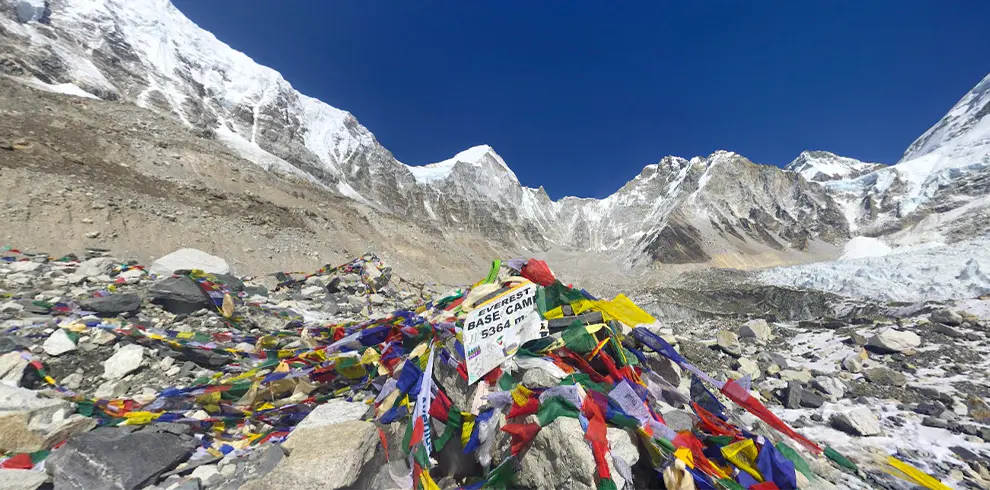
Highlights: panoramic Everest and Lhotse views, Tengboche Monastery, and the emotional moment at base camp itself (5,364 m). Costs and logistics for EBC vary by style.
Typical budget items include: a Lukla return flight (~$350-450) and permits (~$40-60 total). Guides charge ~$20-35/day, and porters ~$15-25/day. Teahouse lodges (basic rooms and meals) average $15–30 perday. In total, expect about $800-$1,500 for a budget independent trek, or $1,500-$3,000+ for a guided package with higher comfort.
Remember to factor these into your budget. Additionally, plan for additional days to allow for weather-dependent delays on buffer flights to Lukla. This trek is challenging but famously achievable; seasoned guides will ensure safety. For many Europeans, reaching EBC is a lifelong highlight, so prepare well (see packing list below).
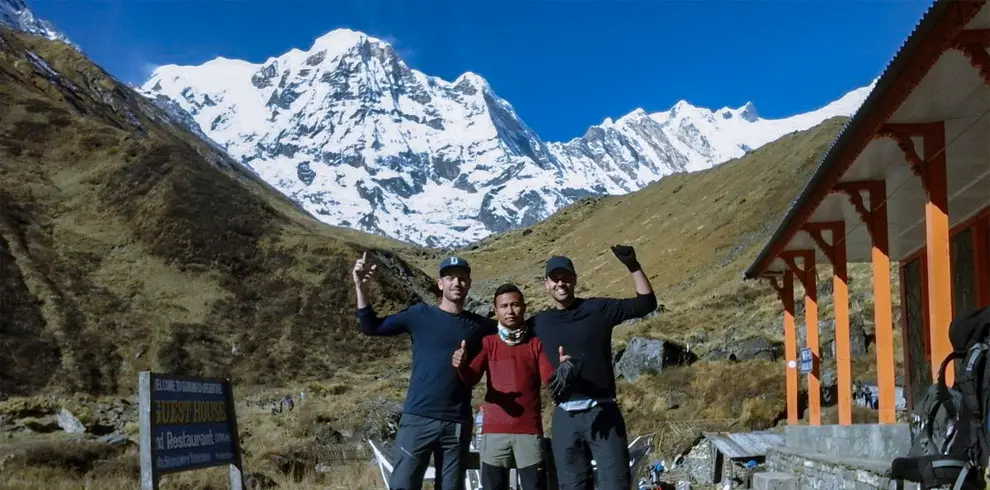
A popular alternative is the Annapurna Base Camp Trek. A compact 7-9 day plan can let busy travellers see the highlights. For example:
This swift itinerary is just one example. Many Europeans add extra nights (e.g., stay 2 nights at Ghorepani or take a rest day) to acclimatise. Longer 10- to 14- day versions include the full circuit via Muldai or Jhinu. Compared to EBC, ABC is generally cheaper (no Lukla flight) and has lush valleys (rice terraces, springs, and bamboo forests) transitioning to high alpine.
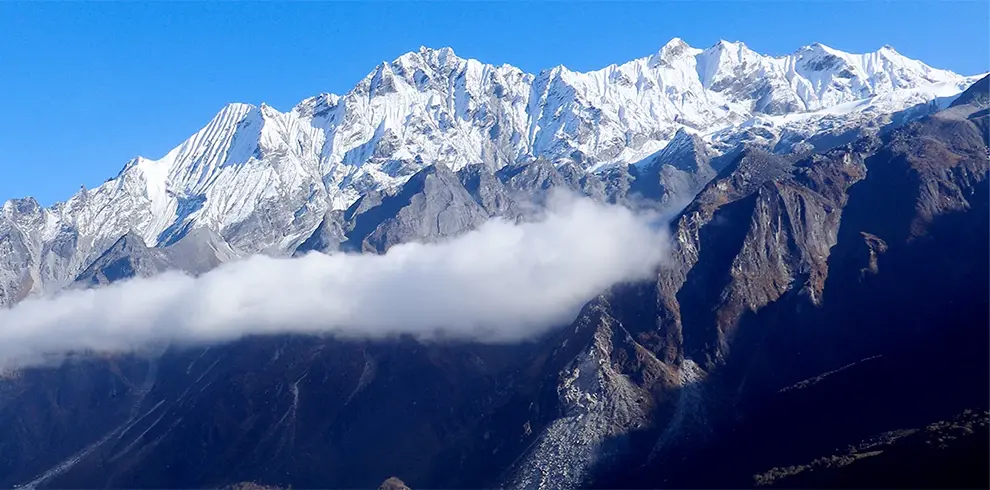
The Langtang Valley (north of Kathmandu) is recovering after 2015’s quake. Short Langtang treks (e.g., 6–8 days to Kyanjin Gompa) are now fully accessible. It’s considered safe when properly prepared. Key safety tips for Langtang (and all Nepali treks) include hiring a registered guide and monitoring local weather and landslide updates, particularly during monsoon. Langtang lies lower than Everest, so altitude is slightly less severe, but winter conditions bring snow above ~4,000 m. Always pack warm gear and have some flexibility in your schedule. The rebuilt villages and lodges welcome trekkers, who can enjoy scenic valleys and unique Tibetan-influenced culture without the crowds of Everest or Annapurna.
Hiring local guides and porters is strongly recommended for longer or unfamiliar treks. A guide provides safety (navigation, spotting altitude sickness) and enriches the trek with cultural insights. Porters let you focus on the journey instead of hauling gear. For European travellers, it also means dealing less with language or bureaucratic hassles. It’s part of responsible trekking: paying fair wages supports remote communities. If budget allows, consider a guide (even a basic one) for a smoother experience.
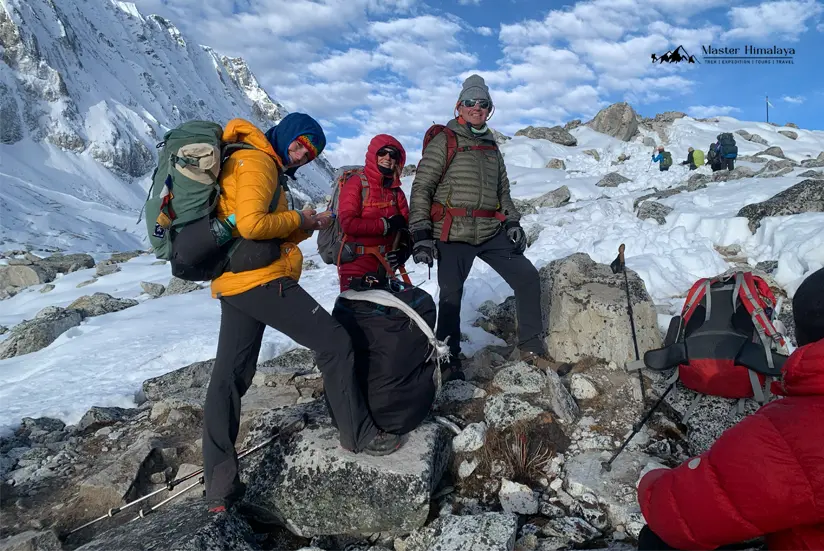
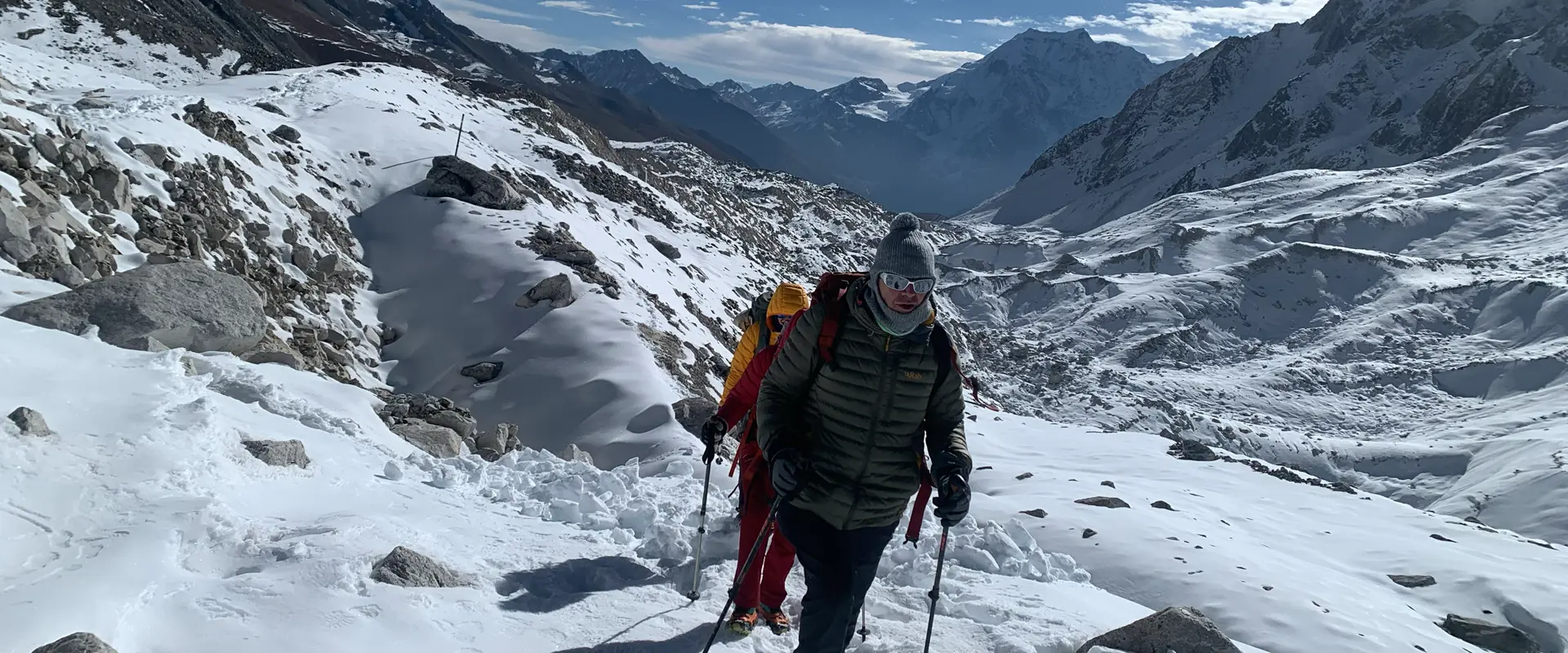
Pack light but wisely; layered clothing is key. Essentials include sturdy hiking boots (broken-in), moisture-wicking base layers, a warm fleece, an insulated/down jacket, and a waterproof shell. For cold nights, bring a warm hat, gloves, and thermal socks. A good sleeping bag (rated down to ~–10°C for higher altitude) is a must. Please keep in mind a headlamp, trekking poles, sunglasses (UV protection) and sunscreen (the sun is intense at altitude). Stock a basic first aid kit and blister plasters. Take altitude sickness pills (acetazolamide) if you use them, and water purification tablets or a filter since safe water can run low. A small daypack, reusable water bottle, and toiletries round out the list.
For EBC-level treks or winter, add crampons (if trekking on icy trails), insulated trousers, and an even warmer sleeping bag. However, bulky items (down jacket/sleeping bag) can be rented or bought cheaply in Kathmandu/Pokhara to save luggage weight. Remember that Europeans should pack some warmer items than in moderate climates, since Nepal’s nights can be surprisingly cold even at modest heights.
Most European travellers fly to Kathmandu (Tribhuvan International Airport). There are no direct flights from Europe, but one-stop itineraries are common. Popular routes connect via Middle Eastern or Asian hubs: e.g., Qatar Airways via Doha, Emirates via Dubai, Turkish Airlines via Istanbul, or Singapore/Bangkok with airlines like Singapore or Thai. Air India often flies via Delhi, and Oman Air via Muscat. Typical travel time is ~11-15 hours, including layovers. Expect round-trip tickets from Europe to Kathmandu in the €600-€1,100 range (season and city dependent).
From Kathmandu, domestic flights are needed for some treks: Lukla (EBC) and Jomsom (Annapurna) are the main ones, both around USD 300-350 each way. Flights to Lukla are scenic but weather sensitive (cancellations possible), so always leave spare days in your schedule. Alternatively, the Annapurna treks can start with a bus/jeep to the trailhead (e.g., Nayapul for ABC).
Once in Nepal, local transportation (buses, minibuses, and taxis) is affordable but often crowded and bumpy. Many Europeans hire private jeeps for comfort on the mountainous roads (they’re pricier but save time). Domestic airfares and hotels surge in peak season, so book flights and main hotels early if travelling October-November.
Nepal is generally much cheaper than Western Europe. Daily costs vary widely based on style. A guideline for Europe-based travellers:
For a combined trip (city touring plus trek), estimate total trip costs from Europe at roughly €1,100–€2,500 for a 10- to 14- day midrange holiday, including return flights. A 2-3 week trip with a major trek (EBC or Annapurna) typically totals €1,400–€3,500, which covers flights, permits, guides/porters, and decent accommodation. Ultra-budget travellers (hostels, local buses, independent trekking) might manage €700–€1,200 for 2 weeks, though that’s very basic.
Key trekking expenses beyond daily costs include:
For example, an independent 2-week EBC trek might cost $800-$1,500 all in. Guided, higher-comfort trips (with lodge upgrades or extra trekking days) can push to $1,500–$3,000+. Remember to plan for tips, travel insurance, and extra hotels. ATMs and card usage in Kathmandu/Pokhara are straightforward, but in trek villages they’re rare. Bring cash (USD or EUR) to exchange. Banks charge around $2–6 per ATM withdrawal, so withdraw larger amounts when you can.
The rocky trails of Langtang and Annapurna cross many streams via simple wooden bridges. These picturesque yet rugged crossings remind us to be careful on uneven terrain. In such environments, sturdy boots and trekking poles (shown here) are invaluable. Crossing rivers and steep steps is part of Nepal trekking’s charm, so take it slowly and enjoy the view.
Trekking in Nepal is an unforgettable experience for Europeans seeking adventure. With proper planning, choosing the right season, getting visas and permits sorted, budgeting appropriately, and packing well, you can focus on the awe-inspiring scenery and warm Nepalese hospitality. From gentle rhododendron forests to soaring granite peaks, every trekker will find Nepal both accessible and awe-inspiring. For 2026 travel, remember to double-check rules and prices (even if posted here, things can change). But whether you aim for the trail up to Everest Base Camp or a short trek around Annapurna, Nepal’s Himalayan world awaits. Safe travels and happy trekking from Master Himalaya Treks and Expedition team!
We offer different tour types. You can also chat with a local travel specialist if you want a customized tour to Nepal.
Our travel experts are recommended by




2025-12-22 00:00:00
2025-09-23 00:00:00
2026-01-08 00:00:00
2026-01-09 00:00:00

2025-09-05 00:00:00
14
Days
Everest Base Camp is a world-renowned trekking destination located in the Khumbu region of Nepal. Situated at an altitude of 5,364 meters (17,598 feet), the base camp provides stunning views of the world's highest peak, Mount Everest (8,848 meters /...
Start Journey

12
Days
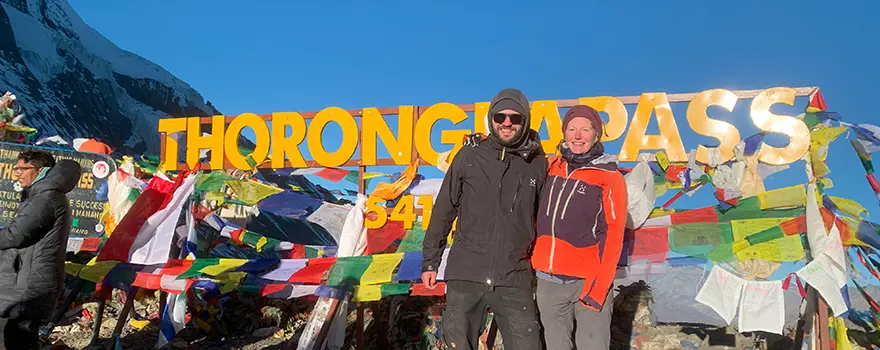
The basic difference between Annapurna Base camp trek and Annapurna Circuit Trek is that in ABC Trek is a 7-8 days trek which takes you directly to the base camp , but in Annapurna Circuit trek you make a round trip of the whole Annapurna range and i...
Start Journey
10
Days
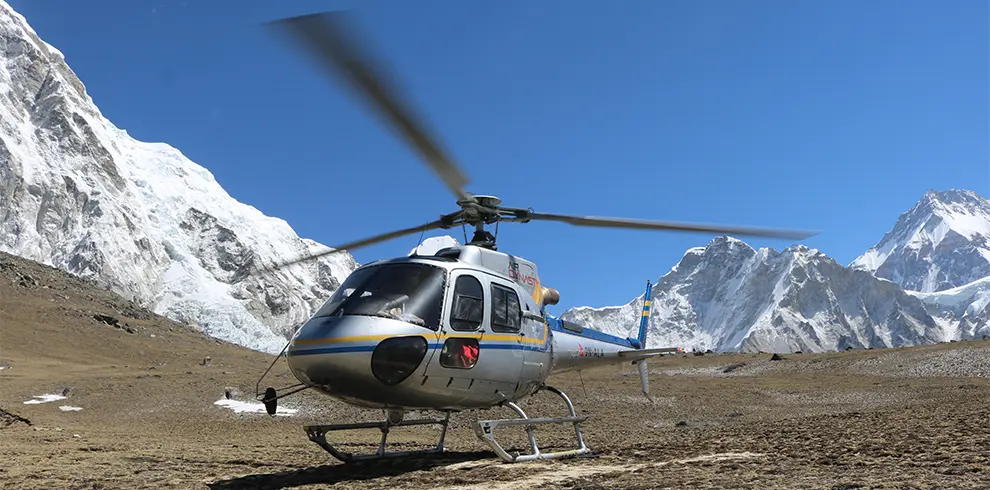
Why Book Everest base camp Trek with Helicopter return with Master Himalaya?Having assisted over 1000 travelers in the Everest Base Camp journey, we've observed that many enthusiasts, initially eager for the trek, may hesitate to return by foot after...
Start Journey
1
Days
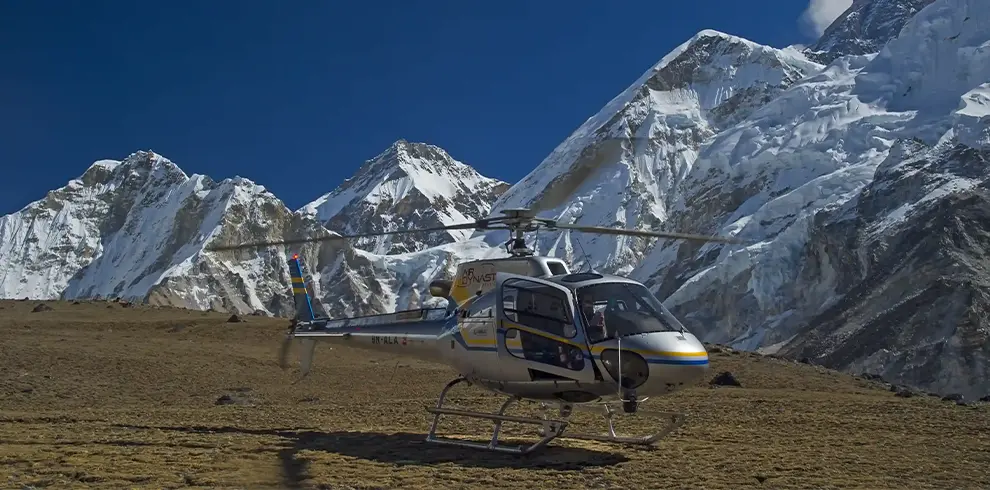
In the realm of unparalleled mountain grandeur, the One-Day Everest Base Camp Helicopter Tour stands as a testament to the epitome of adventure and luxury. This exceptional journey offers a unique opportunity to witness the majestic beauty of the wor...
Start Journey
6
Days
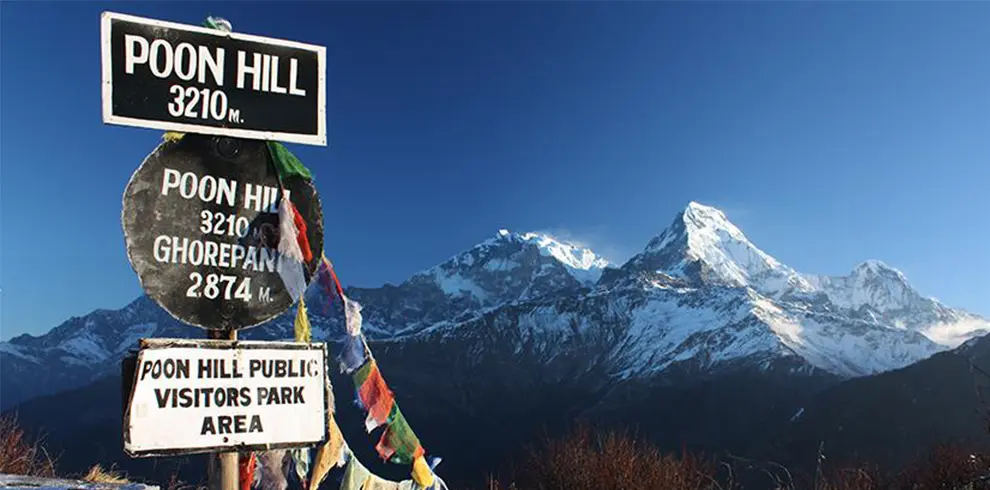
The Short 5 Days Ghorepani Poon Hill Trek is a popular and accessible trekking adventure in the Annapurna region of Nepal. This trek is ideal for those with limited time or less trekking experience, as it offers a condensed yet rewarding experience o...
Start Journey
13
Days
The Langtang Gosaikunda Trek is a popular and scenic trekking route that combines the natural beauty of the Langtang Valley with the sacred lakes of Gosaikunda. Located in the Langtang National Park in the central region of Nepal, this trek offers a...
Start Journey