Guide to Choosing Insurance for Trekking in Nepal
published on: 05th Sep, 2025
1. Altitude-Specific Insurance Coverage
2. Search and Medical Evacuation
4. Climbing Insurance According to Height
5. Recommendation for specific insurance


published on: 05th Sep, 2025
1. Altitude-Specific Insurance Coverage
2. Search and Medical Evacuation
4. Climbing Insurance According to Height
5. Recommendation for specific insurance
Trekking in the majestic Himalayas of Nepal is a dream for many adventurers. However, the risks associated with high-altitude trekking, unpredictable weather, and remote locations make it essential to have the right insurance coverage. Here's a comprehensive guide to help you choose the best insurance policy tailored to your trekking needs in Nepal.
When trekking in Nepal, the altitude you plan to reach plays a critical role in determining the type of insurance you need. Many insurance policies have altitude limits, beyond which coverage is not provided. Here’s how you can approach this:
Always check the specific altitude coverage in your policy, as exceeding this limit can void your insurance in case of an emergency.
In the event of an accident or sudden illness, getting rescued in the remote Himalayas can be a daunting and expensive task. Helicopter rescues are often the only viable option, and costs can skyrocket. Therefore, your insurance policy must include:
Check for the coverage limit, as some policies might cover only a certain amount of the rescue and evacuation costs.
Nepal offers a wide range of adventure activities beyond trekking, such as rafting, paragliding, and zip-lining. If you plan to engage in these activities, it’s crucial to ensure your insurance policy covers them:
Always read the fine print to understand what is and isn't covered under your activity-specific insurance.
Climbing insurance is a specialized form of coverage that considers the unique risks associated with ascending high peaks. In Nepal, this is crucial for those attempting to climb the many peaks that exceed 6,000 meters. Here’s how to navigate climbing insurance:
Given the high risk associated with climbing, these policies tend to be more expensive, but they are essential for your safety and peace of mind.
When undertaking high-altitude treks and expeditions in the Himalayas, it's crucial to have appropriate insurance coverage tailored to the specific demands and risks associated with each activity. Below is a detailed recommendation for insurance coverage based on your trekking and climbing activities:
Key Inclusions:
Key Inclusions:
Key Inclusions:
Key Inclusions:
Key Inclusions:
Key Inclusions:
Always carefully review the terms and conditions of your policy to ensure it covers all aspects of your trek or expedition.
Note: Policy and coverage can differ according to country, so it is very important to have good communication with the insurance company before choosing the policy.
Trekking in Nepal is an incredible experience, but it comes with its share of risks. By choosing the right insurance policy that covers altitude, search and rescue, medical evacuation, and specific activities, you can focus on enjoying the breathtaking beauty of the Himalayas without worrying about what could go wrong.
Before purchasing, compare different policies, read the fine print, and consult with insurance experts if needed. Safe trekking!
It is better to show the itinerary of trekking to your insurance company and take the best possible policy accordingly.
Your policy should include coverage for high-altitude activities, emergency evacuation and helicopter rescue, medical and hospitalization expenses, trip cancellation and interruption, repatriation, personal liability, and protection for baggage and personal belongings.
Yes. Even if you trek with a licensed guide or a registered trekking agency, insurance is still mandatory. Agencies may assist in emergencies, but they do not cover medical bills, helicopter rescue costs, or evacuation expenses. Your personal insurance is what protects you financially in case of accidents or altitude-related illnesses.
Most high-altitude trekking insurance policies cover AMS only if it requires emergency treatment or evacuation, and you have followed proper acclimatization guidelines. Coverage may be denied if symptoms occur due to negligence, rapid ascent, or exceeding the insured altitude limit. Always confirm AMS-related evacuation coverage with your insurer before purchase.
In most cases, no. The majority of international trekking and mountaineering insurance policies must be purchased before departing from your home country. Once your trip has started, coverage may be limited or invalid. It’s strongly recommended to arrange and confirm insurance well in advance of your Nepal trek.
We offer different tour types. You can also chat with a local travel specialist if you want a customized tour to Nepal.
Our travel experts are recommended by




14
Days
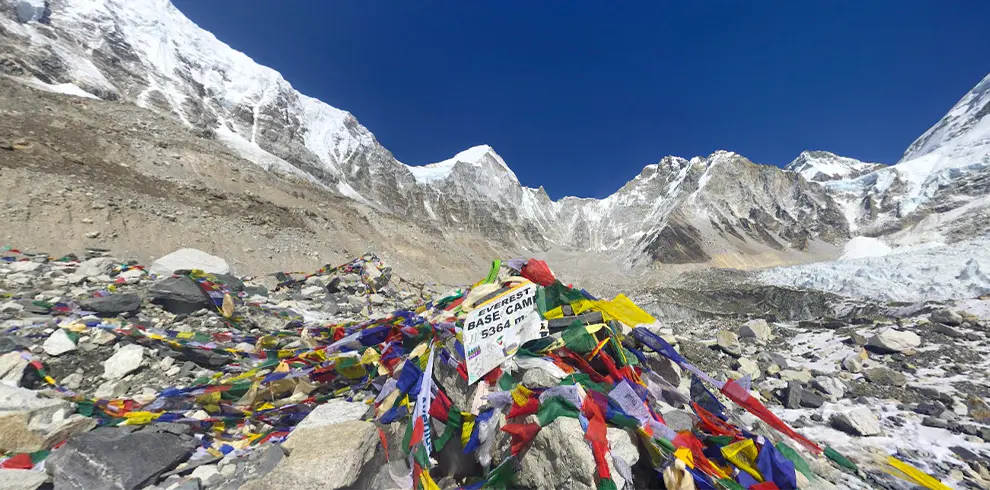
Everest Base Camp is a world-renowned trekking destination located in the Khumbu region of Nepal. Situated at an altitude of 5,364 meters (17,598 feet), the base camp provides stunning views of the world's highest peak, Mount Everest (8,848 meters /...
Start Journey

12
Days
About Manaslu Circut Trek The Manaslu Circuit Trek is a captivating and adventurous journey that takes you around the spectacular Mount Manaslu, the eighth highest peak in the world. This trek offers a unique opportunity to explore the unspoiled beau...
Start Journey
12
Days
The basic difference between Annapurna Base camp trek and Annapurna Circuit Trek is that in ABC Trek is a 7-8 days trek which takes you directly to the base camp , but in Annapurna Circuit trek you make a round trip of the whole Annapurna range and i...
Start Journey
14
Days
Mera Peak is one of the highest trekking peaks in Nepal, standing at an elevation of 6,476 meters. It offers an exhilarating climbing experience and stunning panoramic views of the Himalayan range, including the mighty peaks of Everest, Lhotse, Makal...
Start Journey